 EN
EN
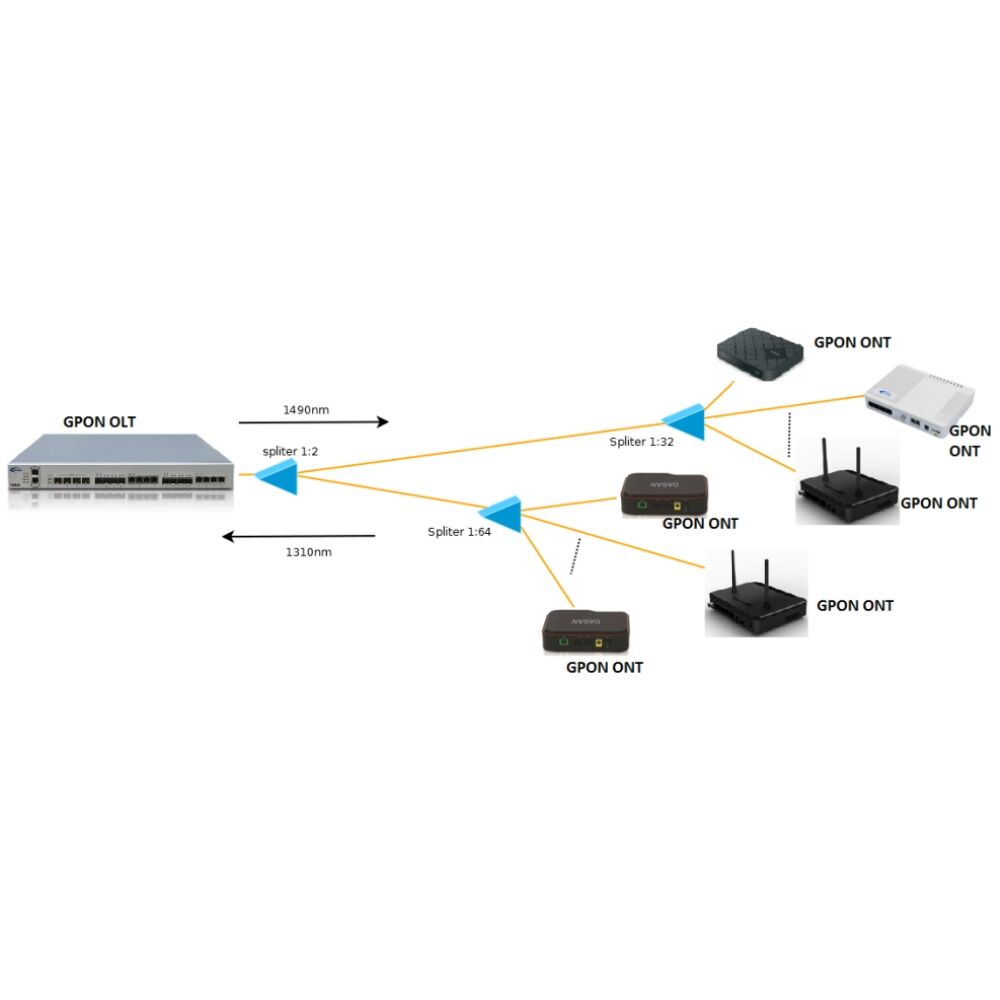
The telecommunications industry relies heavily on customized solutions to meet the diverse requirements of modern network infrastructures. Fiber optic equipment serves as the backbone of high-speed data transmission, but not all deployments require the same specifications or configurations. Understanding how fiber optic equipment is tailored for different applications helps network operators make informed decisions about their infrastructure investments and ensures optimal performance across various deployment scenarios.
Customization of fiber optic equipment begins with understanding the specific environmental conditions, distance requirements, and performance expectations of each deployment. From underground installations to aerial deployments, from data centers to submarine cables, each application demands unique characteristics in terms of fiber count, cable construction, connector types, and protective measures. This comprehensive approach to customization ensures that fiber optic equipment delivers reliable performance while maintaining cost-effectiveness for operators.
Environmental Adaptation in Fiber Optic Equipment Design
Weather Resistance and Climate Considerations
Environmental factors play a crucial role in determining how fiber optic equipment must be customized for specific deployments. Temperature fluctuations, humidity levels, and exposure to ultraviolet radiation significantly impact the performance and longevity of optical cables and related hardware. Manufacturers develop specialized jacketing materials and protective coatings that can withstand extreme temperatures ranging from arctic conditions to desert environments. These adaptations ensure that fiber optic equipment maintains signal integrity regardless of climatic challenges.
Moisture protection represents another critical aspect of environmental customization. Fiber optic equipment designed for outdoor installations incorporates advanced water-blocking technologies, including gel-filled cables and specialized tape barriers. These features prevent water ingress that could cause signal attenuation or equipment failure. The customization process involves selecting appropriate moisture protection levels based on installation location, whether in coastal areas with high humidity or desert regions with minimal precipitation concerns.
Chemical and Corrosion Resistance Requirements
Industrial deployments often expose fiber optic equipment to aggressive chemical environments that require specialized protective measures. Customization for these applications involves selecting cable jackets and hardware materials that resist corrosion from acids, bases, oils, and other industrial chemicals. Polyurethane and specialized polymer compounds provide enhanced chemical resistance while maintaining the flexibility needed for installation and maintenance activities.
Salt spray environments, particularly in marine applications, demand additional corrosion protection for metallic components within fiber optic equipment. Stainless steel reinforcements, specialized coatings, and non-metallic alternatives help ensure long-term reliability in these challenging conditions. The customization process carefully evaluates the specific chemical exposures expected in each deployment to select the most appropriate protective technologies.
Distance and Capacity Customization Strategies
Long-Distance Transmission Optimization
Long-haul fiber optic deployments require equipment customization focused on minimizing signal loss and maximizing transmission distances. This involves selecting specialized fiber types, such as dispersion-shifted or non-zero dispersion-shifted fibers, that optimize performance for specific wavelength ranges. Amplification equipment, including erbium-doped fiber amplifiers and Raman amplifiers, must be strategically positioned and configured to maintain signal quality over extended distances.
The customization of fiber optic equipment for long-distance applications also considers the specific modulation formats and error correction techniques that will be employed. Advanced coherent transmission systems require precise matching between fiber characteristics and electronic components to achieve optimal performance. This level of customization ensures that long-distance networks can support high-capacity data transmission while maintaining the reliability required for critical communications infrastructure.
High-Density Applications and Fiber Count Optimization
Data center and metropolitan area networks often require high-density fiber optic equipment to maximize capacity within limited physical space. Customization for these applications focuses on optimizing fiber count while maintaining manageable cable dimensions and bend radius requirements. Advanced ribbon fiber technologies and micro-duct systems enable significant increases in fiber density compared to traditional loose-tube designs.
The selection of appropriate connector types and density also plays a crucial role in high-density deployments. LC, SC, and MPO connectors offer different advantages in terms of port density and ease of maintenance. Customization involves matching connector selection with specific equipment requirements and future expansion plans to ensure optimal performance and operational efficiency.
Installation Method Specific Customizations
Aerial Installation Considerations
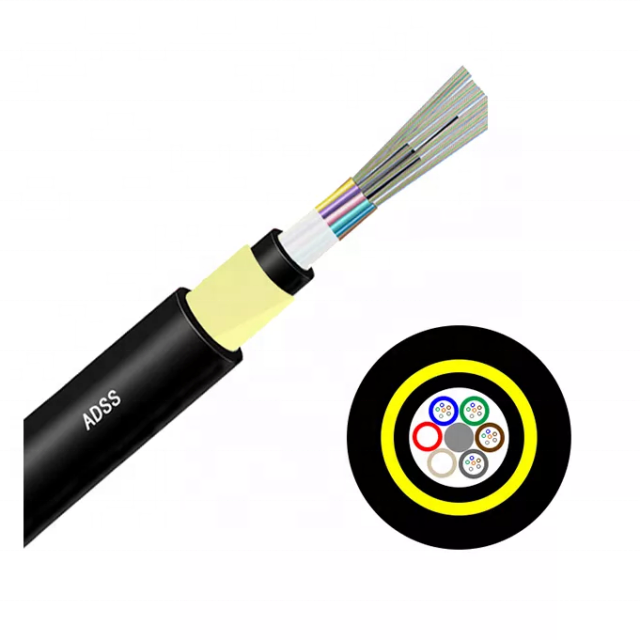
Aerial deployments of fiber optic equipment require specialized design considerations to withstand wind loading, ice accumulation, and thermal cycling. All-dielectric self-supporting cables represent a popular solution for aerial installations, incorporating high-strength aramid yarns or fiberglass rods to provide the necessary tensile strength. The customization process involves calculating expected mechanical loads and selecting appropriate strength members and cable construction techniques.
Span length limitations and sag calculations influence the mechanical design of aerial fiber optic equipment. Customization ensures that cables can maintain appropriate clearances while supporting their own weight plus environmental loads such as ice and wind. Specialized hardware, including dead-end assemblies and suspension clamps, must be matched to specific cable designs and installation requirements to ensure reliable long-term performance.
Underground and Buried Installation Requirements
Underground fiber optic equipment customization addresses the unique challenges of buried installations, including soil conditions, potential excavation damage, and long-term stability. Direct-buried cables require robust outer jackets and rodent protection to prevent damage from burrowing animals. Customization involves selecting appropriate armor types, such as corrugated steel tape or interlocking armor, based on soil conditions and expected mechanical stresses.
Duct-based installations allow for easier maintenance and cable replacement but require different customization approaches. Fiber optic equipment designed for duct installations emphasizes reduced friction characteristics and optimized pulling tensions to facilitate installation through existing conduit systems. Specialized lubricants and pulling grips must be compatible with cable jacket materials to prevent damage during installation.
Network Architecture Integration
Compatibility with Existing Infrastructure
Successful deployment of fiber optic equipment often requires seamless integration with existing network infrastructure. Customization efforts focus on ensuring compatibility with legacy systems while providing upgrade paths for future technologies. This includes matching connector types, fiber specifications, and transmission parameters to existing equipment while preparing for next-generation technologies.
Backwards compatibility considerations influence the selection of fiber types and connector interfaces in customized fiber optic equipment solutions. Network operators must balance the benefits of advanced technologies with the need to maintain connectivity with existing systems. Careful customization ensures smooth migration paths that minimize service disruptions and maximize return on infrastructure investments.
Future-Proofing and Scalability
Modern fiber optic equipment customization increasingly focuses on future-proofing installations to accommodate evolving bandwidth requirements and emerging technologies. This involves selecting fiber types and counts that exceed current requirements while remaining cost-effective. Single-mode fibers with low water peak characteristics provide excellent forward compatibility for wavelength division multiplexing technologies and higher-speed applications.
Modular design approaches in customized fiber optic equipment allow for incremental capacity additions without major infrastructure changes. Splice enclosures, distribution panels, and cross-connect systems can be designed with expansion capabilities that support network growth over extended periods. This scalability reduces long-term operational costs and minimizes service disruptions associated with network upgrades.
Quality Assurance and Testing Customization
Application-Specific Testing Requirements
Different deployments of fiber optic equipment require customized testing protocols to ensure optimal performance in specific applications. Data center installations may emphasize insertion loss and return loss measurements, while long-haul networks focus on chromatic dispersion and polarization mode dispersion characteristics. Customization of testing procedures ensures that all relevant performance parameters are verified before equipment deployment.
Environmental testing customization verifies that fiber optic equipment will perform reliably under expected operating conditions. Temperature cycling, vibration testing, and humidity exposure tests are tailored to match the specific environmental challenges anticipated in each deployment. This comprehensive testing approach identifies potential issues before installation and validates the effectiveness of customization decisions.
Certification and Standards Compliance
Regulatory requirements and industry standards significantly influence the customization of fiber optic equipment for different markets and applications. Telecommunications installations may require compliance with Telcordia standards, while data center equipment often follows TIA specifications. International deployments may need to meet IEC standards or country-specific regulations that affect cable construction and testing requirements.
Safety certifications, including flame retardance and low-smoke characteristics, represent critical customization factors for indoor installations. Plenum-rated cables require specialized jacket materials that meet stringent fire safety requirements without compromising optical performance. The customization process ensures that all applicable safety and performance standards are met while maintaining cost-effectiveness and installation ease.
FAQ
What factors determine the level of customization needed for fiber optic equipment?
The level of customization required for fiber optic equipment depends on several key factors including environmental conditions, distance requirements, capacity needs, installation methods, and regulatory compliance requirements. Harsh outdoor environments require more extensive protective measures, while high-capacity applications need specialized fiber types and connector configurations. Installation methods, whether aerial, underground, or indoor, each demand specific mechanical and protective characteristics that influence customization decisions.
How does environmental protection affect fiber optic equipment customization costs?
Environmental protection significantly impacts customization costs, with specialized materials and construction techniques typically increasing initial equipment prices by 20-50% compared to standard indoor-rated products. However, these investments often provide substantial long-term value by reducing maintenance costs, extending equipment lifespan, and minimizing service disruptions. The total cost of ownership analysis usually favors properly customized fiber optic equipment, especially in challenging environmental conditions.
Can fiber optic equipment be customized for both current and future network requirements?
Yes, modern fiber optic equipment customization strategies emphasize future-proofing through careful selection of fiber types, connector interfaces, and capacity planning. Single-mode fibers with low water peak characteristics provide excellent forward compatibility, while modular designs allow for incremental capacity additions. This approach ensures that customized installations can support evolving bandwidth requirements and emerging technologies without requiring complete infrastructure replacement.
What role does installation method play in fiber optic equipment customization?
Installation method is a primary driver of fiber optic equipment customization, affecting everything from cable construction to protective measures. Aerial installations require high tensile strength and weather resistance, underground deployments need armoring and moisture protection, while indoor installations emphasize fire safety and ease of handling. Each installation method demands specific mechanical characteristics, environmental protection levels, and handling requirements that must be addressed through targeted customization approaches.
Table of Contents
- Environmental Adaptation in Fiber Optic Equipment Design
- Distance and Capacity Customization Strategies
- Installation Method Specific Customizations
- Network Architecture Integration
- Quality Assurance and Testing Customization
-
FAQ
- What factors determine the level of customization needed for fiber optic equipment?
- How does environmental protection affect fiber optic equipment customization costs?
- Can fiber optic equipment be customized for both current and future network requirements?
- What role does installation method play in fiber optic equipment customization?