 EN
EN

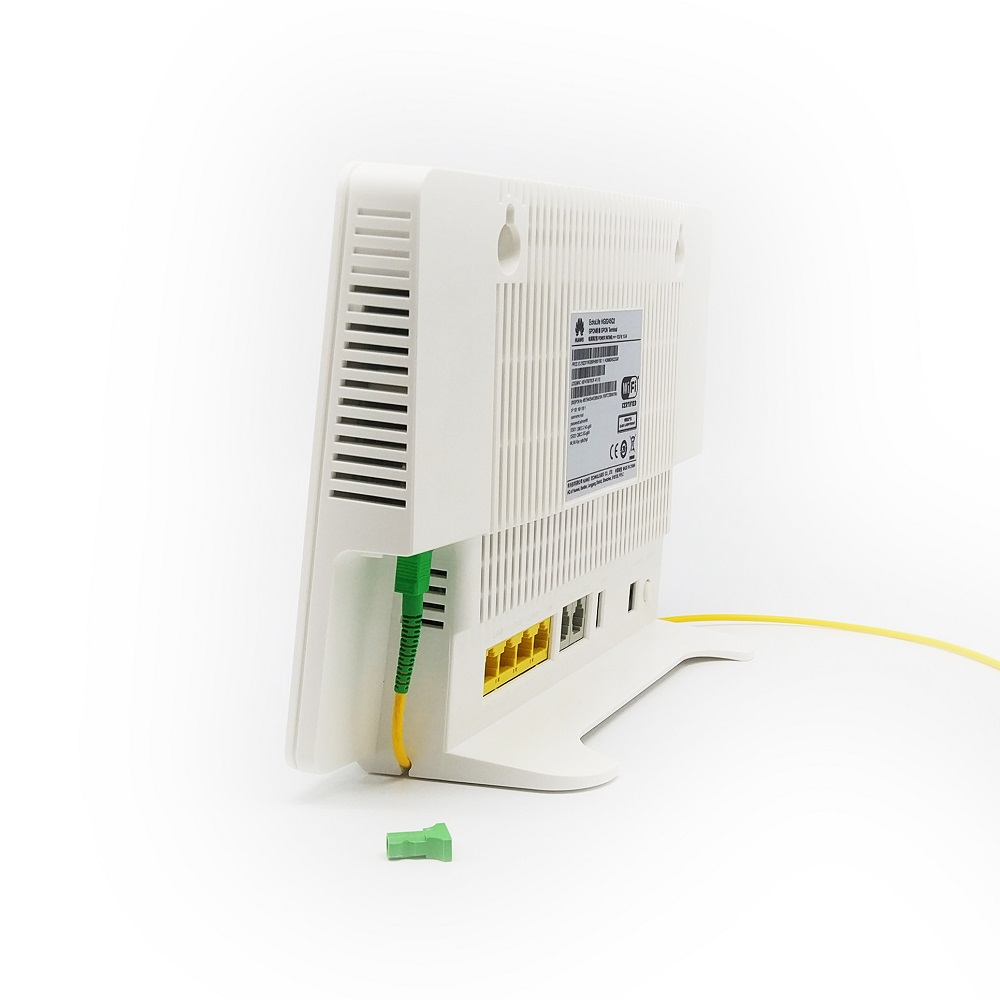
Selecting the right communication cable for your installation requires careful consideration of environmental factors, performance requirements, and application-specific demands. Whether you're designing an indoor network infrastructure or establishing outdoor connectivity, the type of communication cable you choose will significantly impact the reliability, longevity, and performance of your entire system. Understanding the fundamental differences between indoor and outdoor cable specifications helps ensure optimal signal transmission while maintaining cost-effectiveness and regulatory compliance.
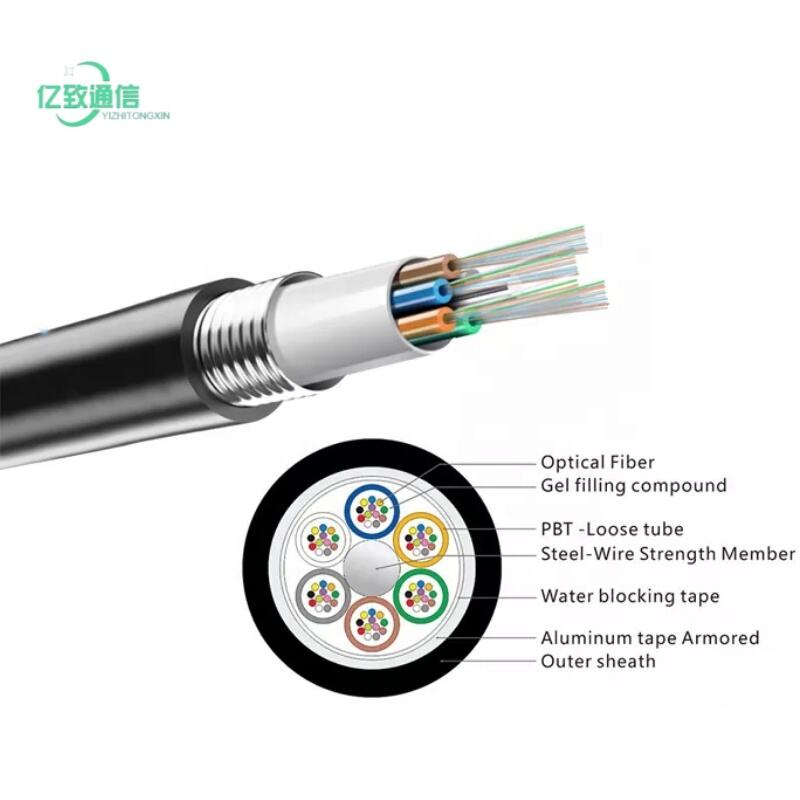
The selection process involves evaluating multiple technical parameters including transmission distance, bandwidth requirements, environmental exposure, and installation constraints. Each communication cable type offers unique advantages suited to specific deployment scenarios. Indoor cables prioritize flexibility and ease of installation within controlled environments, while outdoor variants emphasize durability and weather resistance. Modern installations often require hybrid approaches that seamlessly integrate both indoor and outdoor communication cable solutions to deliver comprehensive connectivity across diverse operational environments.
Environmental Considerations for Cable Selection
Temperature and Climate Factors
Environmental temperature variations represent one of the most critical factors influencing communication cable performance and longevity. Outdoor installations experience extreme temperature fluctuations ranging from sub-zero conditions to intense summer heat, requiring cables with specialized temperature ratings and thermal expansion properties. Communication cable manufacturers design outdoor variants with enhanced jacket materials and internal components that maintain signal integrity across wide temperature ranges. These cables typically feature polyethylene or specialized polymer jackets that resist cracking, hardening, and signal degradation when exposed to thermal cycling.
Indoor communication cable installations benefit from controlled temperature environments, allowing for more flexible jacket materials and optimized internal designs. However, certain indoor applications such as plenum spaces, data centers, or industrial facilities may experience elevated temperatures requiring specialized cable ratings. The selection process must account for maximum operating temperatures, thermal cycling frequency, and potential heat sources near cable pathways. Proper temperature consideration ensures reliable communication cable performance throughout the installation's operational lifetime while preventing premature failure or signal degradation.
Moisture and Water Protection
Moisture ingress represents a significant threat to communication cable integrity, particularly in outdoor installations where direct water exposure, humidity variations, and condensation present ongoing challenges. Outdoor communication cable designs incorporate multiple moisture protection strategies including water-blocking compounds, sealed jacket construction, and specialized conductor insulation materials. These protective measures prevent water penetration that could cause signal attenuation, corrosion, or complete circuit failure over time.
Indoor applications typically encounter lower moisture levels, but humidity control remains important in basements, mechanical rooms, or areas with potential water exposure. Some indoor communication cable installations require moisture-resistant designs, especially in environments where cleaning procedures, HVAC condensation, or plumbing proximity create elevated humidity risks. Selecting appropriate moisture protection levels ensures long-term reliability while avoiding unnecessary costs for applications where standard indoor-rated cables provide adequate protection.
Technical Specifications and Performance Parameters
Bandwidth and Signal Transmission Requirements
Bandwidth requirements fundamentally influence communication cable selection, determining the cable category, conductor specifications, and overall performance capabilities needed for specific applications. High-bandwidth applications such as video surveillance, data centers, and industrial automation require communication cable solutions with superior signal integrity and minimal crosstalk characteristics. Category ratings, impedance specifications, and frequency response parameters guide the selection process to ensure adequate performance margins for current and future bandwidth demands.
Transmission distance requirements interact closely with bandwidth specifications, as longer cable runs typically experience greater signal attenuation and potential interference issues. Outdoor communication cable installations often involve extended distances requiring careful attention to signal loss calculations and potential need for repeaters or amplification equipment. Indoor installations generally involve shorter distances but may require higher bandwidth capabilities to support multiple concurrent data streams or high-resolution applications.
Conductor Configuration and Shielding Options
Conductor configuration significantly impacts communication cable performance, installation flexibility, and overall system reliability. Solid conductor designs provide superior electrical characteristics for fixed installations, while stranded conductors offer enhanced flexibility for applications requiring frequent movement or tight bend radii. The choice between solid and stranded configurations depends on specific installation requirements, mechanical stress expectations, and performance priorities for the communication cable deployment.
Shielding options range from unshielded designs suitable for low-interference environments to heavily shielded configurations required for industrial or high-EMI applications. Foil shielding provides cost-effective protection against electromagnetic interference, while braided shields offer superior mechanical protection and grounding characteristics. Advanced communication cable designs may incorporate multiple shielding layers or specialized shielding configurations optimized for specific interference patterns or installation environments.
Installation and Mechanical Requirements
Bend Radius and Flexibility Considerations
Bend radius specifications directly impact communication cable installation feasibility and long-term performance, particularly in applications requiring tight routing through confined spaces or around obstacles. Indoor installations often encounter space constraints requiring flexible communication cable designs with minimal bend radius requirements. Cable jacket materials, conductor configurations, and internal construction all influence the minimum bend radius specifications that determine installation possibilities and techniques.
Outdoor communication cable installations typically involve longer straight runs but may encounter challenging routing requirements around buildings, through conduits, or over support structures. The mechanical design must balance flexibility requirements with durability needs, ensuring the cable can withstand installation stresses while maintaining performance characteristics throughout its operational lifetime. Proper bend radius consideration prevents conductor damage, signal degradation, and premature cable failure.
Pulling Tension and Installation Stress
Installation pulling tension represents a critical mechanical parameter that influences communication cable selection, particularly for long runs or installations involving multiple direction changes. Cable manufacturers specify maximum pulling tensions based on conductor design, jacket construction, and overall mechanical integrity. Exceeding these specifications during installation can cause permanent damage including conductor stretching, insulation displacement, or jacket separation that compromises performance.
Communication cable designs incorporate various features to enhance pulling strength including reinforcement fibers, strengthened jacket construction, and specialized pulling grips or techniques. Outdoor installations often require higher pulling strength ratings due to longer distances and potentially challenging routing requirements. Installation planning must account for pulling tension calculations, proper pulling techniques, and potential need for intermediate pulling points to maintain cable integrity throughout the installation process.
Safety and Regulatory Compliance
Fire Safety and Building Code Requirements
Fire safety regulations significantly influence indoor communication cable selection, with specific requirements varying based on installation location, building type, and local building codes. Plenum-rated cables must meet stringent fire and smoke generation standards for installation in air handling spaces, while riser-rated cables provide appropriate safety characteristics for vertical installations between floors. Communication cable jacket materials and flame retardant properties must comply with applicable safety standards to ensure occupant protection and regulatory compliance.
Outdoor communication cable installations face different but equally important safety considerations including UV resistance, weather exposure limits, and grounding requirements. While outdoor cables typically encounter fewer fire safety restrictions, proper installation practices and environmental protection measures remain critical for safe operation. Understanding applicable safety codes and standards ensures communication cable selections meet regulatory requirements while providing adequate protection for both equipment and personnel.
Environmental and Health Regulations
Environmental regulations increasingly influence communication cable material selection and disposal considerations, with restrictions on certain chemical compounds and requirements for recyclable materials. Lead-free solder specifications, halogen-free jacket materials, and environmentally responsible manufacturing processes represent important selection criteria for organizations prioritizing sustainability. Communication cable manufacturers continue developing environmentally friendly alternatives that maintain performance while reducing environmental impact.
Health and safety regulations also address potential exposure concerns during installation and maintenance activities. Proper material safety data sheet review, installation safety procedures, and disposal requirements ensure compliant communication cable selection and handling throughout the product lifecycle. These considerations become particularly important for large-scale installations or applications in sensitive environments where environmental protection requirements are stringent.
Cost Analysis and Long-term Considerations
Initial Investment vs Lifecycle Costs
Communication cable selection requires careful analysis of initial purchase costs versus long-term operational expenses including maintenance, replacement, and potential system downtime costs. Higher-quality cables with enhanced specifications typically command premium pricing but may provide superior reliability and extended operational life that justifies increased initial investment. Cost-benefit analysis should consider expected service life, maintenance requirements, and potential costs associated with cable failure or performance degradation.
Outdoor communication cable installations often justify higher initial costs due to challenging replacement procedures and extended exposure conditions that demand enhanced durability. Indoor applications may allow for more cost-conscious selections where replacement procedures are simpler and environmental stresses are reduced. Comprehensive cost analysis includes installation labor, supporting infrastructure requirements, and potential future expansion needs that may influence optimal communication cable specifications.
Future Expansion and Technology Evolution
Technology evolution and potential system expansion requirements significantly influence optimal communication cable selection strategies. Installing higher-capacity cables initially may provide cost-effective accommodation for future bandwidth increases or system expansion without requiring complete infrastructure replacement. Forward-looking communication cable selection considers emerging technology trends, anticipated growth patterns, and potential changes in application requirements over the installation's expected service life.
Modular communication cable approaches allow for staged deployment and incremental capacity additions as requirements evolve. This strategy can optimize initial capital investment while providing flexibility for future expansion or technology upgrades. Proper planning ensures selected communication cable infrastructure can accommodate anticipated changes while avoiding over-specification that unnecessarily increases initial costs without corresponding benefits.
FAQ
What are the main differences between indoor and outdoor communication cables
Indoor and outdoor communication cables differ primarily in their jacket materials, environmental protection features, and mechanical specifications. Outdoor cables feature enhanced UV resistance, moisture protection, and temperature tolerance to withstand weather exposure, while indoor cables prioritize flexibility and fire safety compliance. Outdoor communication cable designs typically include water-blocking compounds and reinforced jackets, whereas indoor variants focus on bend radius optimization and plenum safety ratings.
How do I determine the appropriate cable category for my bandwidth requirements
Cable category selection depends on required data transmission rates, distance requirements, and future bandwidth needs. Category 5e supports up to 1 Gigabit Ethernet, Category 6 handles up to 10 Gigabit for shorter distances, and Category 6A provides 10 Gigabit capability over full 100-meter distances. Consider current applications plus anticipated growth when selecting communication cable categories to ensure adequate performance margins without unnecessary over-specification.
What environmental factors should I consider for outdoor cable installations
Outdoor communication cable selection must account for temperature extremes, moisture exposure, UV radiation, wind loading, and potential physical damage from weather events. Consider local climate conditions, installation height and exposure, underground versus aerial routing, and proximity to heat sources or chemical exposure. Proper environmental assessment ensures selected cables maintain performance and reliability throughout expected service life under local conditions.
How important is shielding for communication cable performance
Shielding importance varies significantly based on installation environment and interference sources. High-EMI environments such as industrial facilities, areas near power equipment, or locations with radio frequency sources typically require shielded communication cable designs. Residential and office environments often perform adequately with unshielded cables, while critical applications may justify shielded designs for enhanced reliability and noise immunity regardless of environment.