 EN
EN

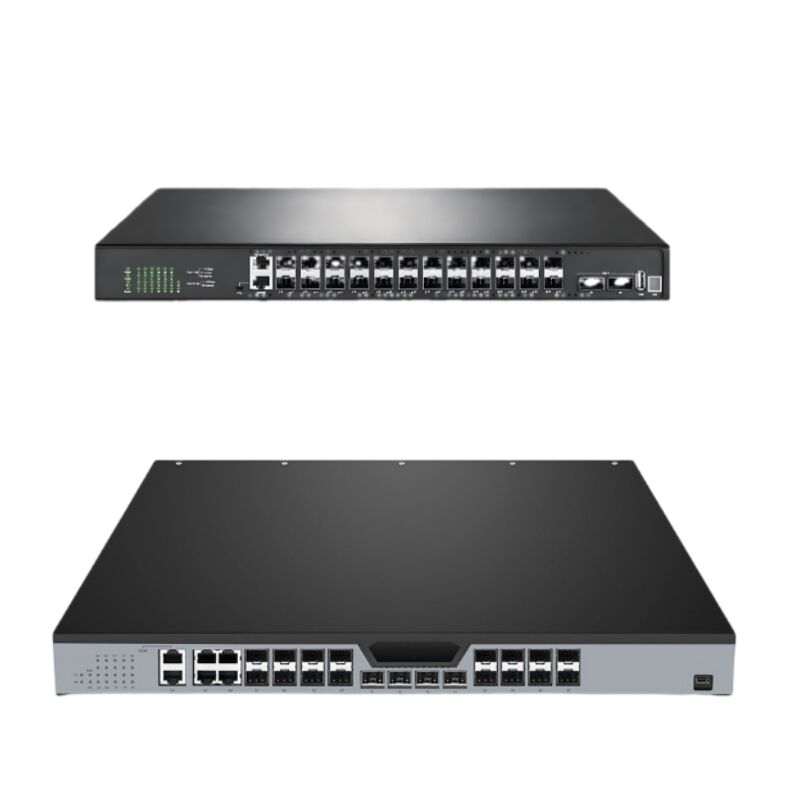
The deployment of fiber-to-the-home (FTTH) networks has revolutionized broadband connectivity, with the eg8141a5 optical network terminal playing a crucial role in modern telecommunications infrastructure. Internet service providers worldwide rely on this advanced device to deliver high-speed internet, voice, and video services directly to residential and commercial customers. The eg8141a5 represents a significant advancement in optical network technology, offering enhanced performance characteristics that make it an ideal choice for large-scale FTTH deployments.
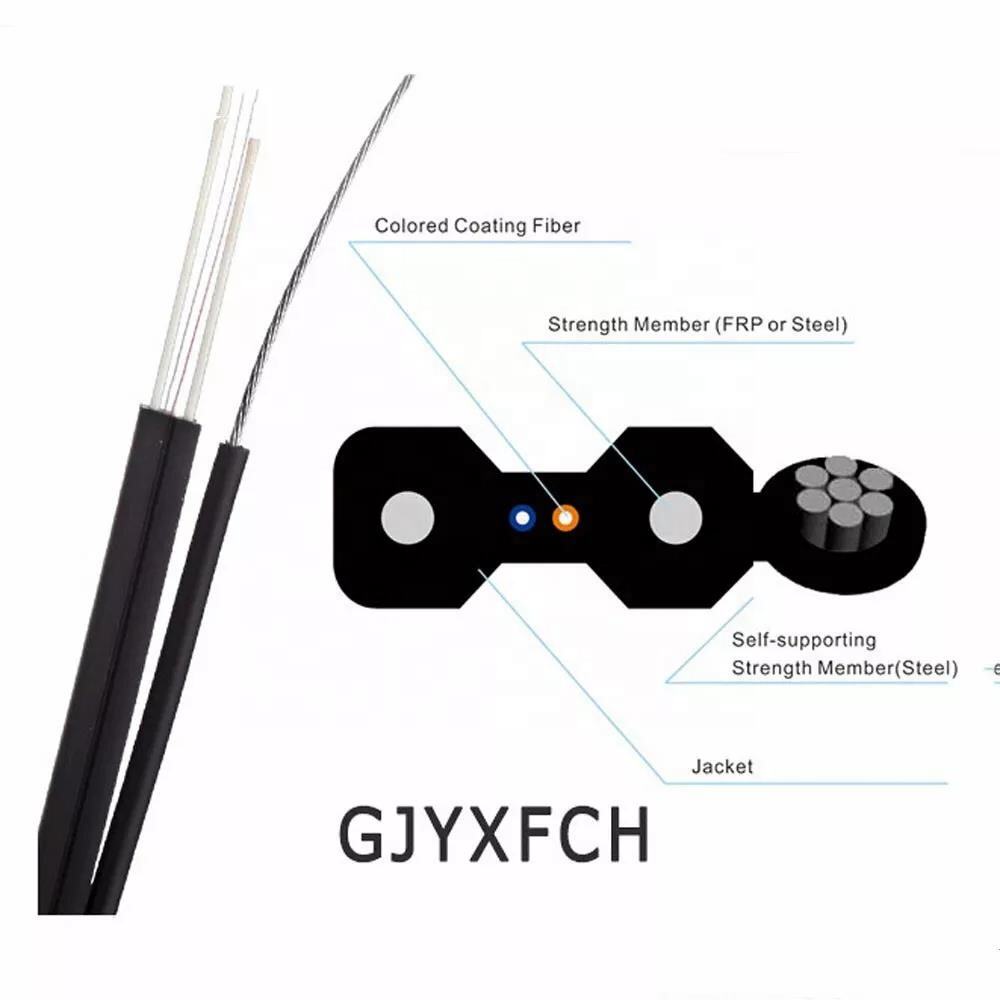
Modern telecommunications infrastructure demands reliable, scalable solutions that can accommodate growing bandwidth requirements while maintaining cost-effectiveness. The eg8141a5 optical network terminal addresses these challenges by providing ISPs with a robust platform for delivering gigabit-speed services to end users. This device serves as the critical connection point between the optical distribution network and customer premises equipment, ensuring seamless data transmission across fiber optic networks.
ISPs face increasing pressure to deliver higher bandwidth services while managing operational costs and maintaining service quality. The eg8141a5 helps address these challenges through its advanced feature set and reliable performance characteristics. Understanding the deployment strategies and technical considerations associated with this device is essential for network operators seeking to optimize their FTTH infrastructure investments.
Technical Architecture and Network Integration
Optical Interface Specifications
The eg8141a5 incorporates advanced optical interface technology designed to support high-speed data transmission over single-mode fiber networks. This device features standardized PON (Passive Optical Network) interfaces that comply with ITU-T G.984 and G.987 specifications, ensuring compatibility with existing network infrastructure. The optical receiver sensitivity and transmitter power levels are optimized to support extended reach applications, making the eg8141a5 suitable for various network topologies and deployment scenarios.
Network operators benefit from the device's ability to maintain signal integrity across long fiber runs, reducing the need for additional amplification equipment. The eg8141a5 supports both GPON and XG-PON protocols, providing ISPs with flexibility in choosing the most appropriate technology for their specific deployment requirements. This dual-protocol capability ensures future-proofing of network investments as operators transition to next-generation optical networking standards.
The optical interface design incorporates advanced error correction mechanisms and automatic gain control features that maintain consistent performance under varying network conditions. These technical capabilities enable ISPs to deliver reliable services even in challenging deployment environments, such as areas with high electromagnetic interference or extreme temperature variations.
Service Delivery Capabilities
The eg8141a5 provides comprehensive service delivery capabilities that support multiple revenue-generating applications for ISPs. The device offers integrated support for high-speed internet access, voice over IP (VoIP) services, and IPTV distribution through its multiple Ethernet ports and built-in routing functionality. This convergent approach allows ISPs to deliver triple-play services through a single customer premises device, reducing installation complexity and ongoing maintenance requirements.
Quality of service (QoS) management features built into the eg8141a5 enable ISPs to prioritize different types of traffic based on service level agreements and customer requirements. Video streaming, voice communications, and data services can be allocated appropriate bandwidth and latency characteristics to ensure optimal user experience. The device supports advanced traffic shaping and bandwidth management features that help ISPs optimize network utilization while maintaining service quality standards.
Wireless connectivity options integrated into many eg8141a5 models provide additional value for both ISPs and end customers. The built-in Wi-Fi capabilities eliminate the need for separate wireless routers in most residential applications, reducing customer equipment costs and simplifying home networking configurations. ISPs can leverage these wireless features to offer managed Wi-Fi services and enhance their competitive positioning in the broadband market.
Deployment Planning and Network Design
Infrastructure Requirements Assessment
Successful deployment of eg8141a5 devices requires comprehensive assessment of existing network infrastructure and identification of necessary upgrades or modifications. ISPs must evaluate their current fiber optic plant to ensure compatibility with the optical specifications and performance requirements of the eg8141a5. This assessment includes analysis of fiber cable types, splicing equipment, optical distribution frames, and central office equipment to identify potential bottlenecks or compatibility issues.
Power infrastructure considerations play a critical role in eg8141a5 deployment planning, as these devices require reliable electrical power to maintain continuous service availability. ISPs must evaluate the power delivery options at customer premises locations, including the availability of standard AC power connections and the potential need for backup power solutions. Some deployment scenarios may require coordination with electrical utilities to ensure adequate power infrastructure is available at target service locations.
Environmental factors such as temperature ranges, humidity levels, and physical security requirements must be considered when planning eg8141a5 deployments. The device specifications include operating temperature ranges and environmental protection ratings that guide installation requirements. ISPs need to ensure that customer premises locations can provide appropriate environmental conditions to maintain optimal device performance and longevity.
Scalability and Future Expansion
The eg8141a5 deployment strategy should incorporate scalability considerations to accommodate future network growth and service expansion requirements. ISPs must plan for increasing bandwidth demands, additional service offerings, and potential technology migrations that may affect the eg8141a5 implementation. This forward-looking approach helps ensure that initial deployment investments continue to provide value as network requirements evolve over time.
Modular network architecture approaches enable ISPs to deploy eg8141a5 devices in phases while maintaining consistent service quality and operational efficiency. This phased deployment strategy allows for gradual network expansion based on customer demand and available capital resources. The standardized interfaces and protocol support of the eg8141a5 facilitate integration with existing network equipment and enable smooth migration paths for future technology upgrades.
Network monitoring and management system integration is essential for maintaining visibility into eg8141a5 performance and enabling proactive maintenance activities. ISPs should implement comprehensive monitoring solutions that track device status, performance metrics, and potential issues across the deployed base of eg8141a5 units. This monitoring capability enables rapid identification and resolution of service issues while supporting predictive maintenance strategies that minimize service disruptions.
Installation and Configuration Procedures
Site Preparation and Physical Installation
Proper site preparation is crucial for successful eg8141a5 installation and long-term performance reliability. Installation technicians must assess customer premises locations to identify optimal mounting locations that provide adequate ventilation, protection from environmental hazards, and convenient access to fiber optic and power connections. The eg8141a5 form factor and mounting options accommodate various installation scenarios, from wall-mounted residential deployments to rack-mounted commercial applications.
Fiber optic cable routing and connection procedures require careful attention to bend radius limitations and connector cleanliness standards. The eg8141a5 optical interfaces are designed to work with standard SC or LC fiber optic connectors, but proper installation techniques are essential to maintain optimal signal quality. Installation teams should follow established fiber handling procedures and use appropriate cleaning tools to ensure reliable optical connections.
Electrical safety considerations are paramount during eg8141a5 installation, particularly in residential environments where existing electrical systems may not meet current safety standards. Installation technicians must verify proper grounding connections and ensure that power delivery meets the device specifications. The eg8141a5 power consumption characteristics are designed to minimize electrical load requirements while providing reliable operation under various power quality conditions.
Network Provisioning and Service Activation
The provisioning process for eg8141a5 devices involves configuring multiple network parameters and service profiles to match customer requirements and ISP service offerings. This configuration process typically includes setting up authentication credentials, bandwidth profiles, service VLANs, and quality of service parameters through the network management system. The eg8141a5 supports remote configuration capabilities that enable ISPs to adjust service parameters without requiring technician visits to customer premises.
Service activation procedures must verify proper operation of all configured services, including internet access, voice communications, and video services where applicable. Testing protocols should validate end-to-end connectivity, bandwidth performance, and service quality metrics to ensure that the eg8141a5 installation meets customer expectations and service level agreements. Comprehensive testing helps identify potential issues before service activation and reduces the likelihood of service calls after installation completion.
Integration with customer premises equipment requires coordination between the eg8141a5 configuration and existing home or business networking equipment. ISPs may need to provide guidance on optimal network configurations, including wireless settings, port forwarding requirements, and security configurations. The eg8141a5 management interfaces provide tools for troubleshooting connectivity issues and optimizing network performance for specific customer applications.
Performance Optimization and Management
Traffic Engineering and Bandwidth Management
Effective traffic engineering strategies are essential for maximizing the performance benefits of eg8141a5 deployments across large-scale FTTH networks. ISPs must implement sophisticated bandwidth management policies that account for varying usage patterns, service priorities, and network capacity constraints. The eg8141a5 supports advanced traffic classification and shaping features that enable granular control over bandwidth allocation and service quality parameters.
Dynamic bandwidth allocation mechanisms built into the eg8141a5 allow ISPs to optimize network resource utilization while maintaining service quality commitments. These features automatically adjust bandwidth allocation based on real-time demand patterns and configured service priorities. This intelligent bandwidth management helps ISPs maximize revenue from their network investments while ensuring consistent user experience across all service offerings.
Performance monitoring capabilities integrated into the eg8141a5 provide detailed visibility into network utilization patterns and service quality metrics. ISPs can leverage this monitoring data to identify optimization opportunities, plan network upgrades, and proactively address potential performance issues. The device supports standard network management protocols that facilitate integration with existing operational support systems and network monitoring platforms.
Maintenance and Troubleshooting Strategies
Proactive maintenance strategies are crucial for maintaining optimal eg8141a5 performance and minimizing service disruptions across deployed networks. ISPs should implement regular monitoring of key performance indicators, including optical power levels, error rates, and service availability metrics. The eg8141a5 diagnostic capabilities provide detailed status information that enables rapid identification of potential issues before they impact customer services.
Remote diagnostic and troubleshooting capabilities of the eg8141a5 significantly reduce the need for on-site technician visits and enable faster resolution of service issues. Network operations centers can access detailed device status information, perform remote testing procedures, and in many cases resolve connectivity problems without dispatching field personnel. This remote management capability improves operational efficiency while reducing service restoration times for customers.
Firmware update and configuration management procedures ensure that deployed eg8141a5 devices maintain current security patches and feature enhancements. ISPs should establish standardized procedures for managing firmware versions across their deployed base of devices, including testing protocols for validating new firmware releases before widespread deployment. The eg8141a5 supports secure remote firmware update mechanisms that enable efficient management of large device populations.
Cost Analysis and Return on Investment
Capital Expenditure Considerations
The capital expenditure analysis for eg8141a5 deployments must consider not only the device costs but also the associated infrastructure investments required for successful implementation. ISPs need to evaluate the total cost of ownership, including fiber optic infrastructure, installation labor, provisioning systems, and ongoing operational support requirements. The eg8141a5 provides cost advantages through its integrated feature set that reduces the need for additional customer premises equipment in many deployment scenarios.
Economies of scale play a significant role in optimizing the cost structure of large-scale eg8141a5 deployments. ISPs can negotiate favorable pricing terms for bulk equipment purchases while standardizing on installation procedures and operational processes that reduce per-unit deployment costs. The standardized interfaces and configuration procedures of the eg8141a5 facilitate these economies of scale by reducing training requirements and operational complexity.
Financing options and deployment timeline considerations affect the overall cost structure of eg8141a5 implementations. ISPs may choose to deploy devices in phases to manage cash flow requirements while building customer base and revenue streams. The modular deployment approach enabled by eg8141a5 standardization allows ISPs to optimize their investment timing based on market demand and available capital resources.
Revenue Generation and Service Monetization
The eg8141a5 enables ISPs to implement diverse revenue generation strategies through its support for multiple service types and advanced feature capabilities. High-speed internet services represent the primary revenue opportunity, but ISPs can also monetize voice services, managed Wi-Fi offerings, and premium support services enabled by the device capabilities. The integrated nature of these services within the eg8141a5 platform reduces operational complexity while maximizing revenue potential per customer connection.
Service differentiation opportunities provided by the eg8141a5 enable ISPs to implement tiered service offerings that capture additional revenue from customers willing to pay for premium performance or features. Advanced QoS capabilities, priority support options, and enhanced wireless features can be packaged as premium service tiers that generate higher average revenue per user. This service differentiation helps ISPs compete more effectively in saturated broadband markets.
Long-term customer retention benefits associated with eg8141a5 deployments contribute significantly to the return on investment calculations. The reliable performance and comprehensive feature set of the device help reduce customer churn rates while supporting upselling opportunities for additional services. The total customer lifetime value improvements often justify the initial capital investment required for eg8141a5 deployment even in highly competitive market environments.
FAQ
What are the key technical specifications of the eg8141a5 that make it suitable for FTTH deployments
The eg8141a5 features advanced optical interface specifications that support both GPON and XG-PON protocols, with receiver sensitivity optimized for extended reach applications. The device includes multiple Gigabit Ethernet ports, integrated Wi-Fi capabilities, and comprehensive QoS management features. Power consumption is optimized for residential deployment scenarios while maintaining reliability under varying environmental conditions. The standardized interfaces ensure compatibility with existing network infrastructure and facilitate seamless integration into established FTTH networks.
How does the eg8141a5 deployment process differ from other optical network terminals
The eg8141a5 deployment process is streamlined through standardized configuration procedures and remote management capabilities that reduce installation time and complexity. The device supports automated provisioning features that minimize manual configuration requirements during installation. Integrated diagnostic capabilities enable rapid troubleshooting and service validation without requiring specialized test equipment. The form factor and mounting options accommodate various installation scenarios while maintaining consistent performance characteristics across different deployment environments.
What operational benefits do ISPs gain from deploying eg8141a5 devices in their FTTH networks
ISPs benefit from reduced operational complexity through the integrated service delivery capabilities of the eg8141a5, which eliminates the need for multiple customer premises devices in many scenarios. Remote management and diagnostic features minimize truck rolls and enable faster service issue resolution. The standardized platform reduces training requirements for installation and support personnel while facilitating economies of scale in equipment procurement and inventory management. Advanced monitoring capabilities provide visibility into network performance and enable proactive maintenance strategies.
How does the eg8141a5 support future network technology migrations and service expansions
The eg8141a5 incorporates future-ready design elements including support for multiple PON protocols and standardized management interfaces that facilitate technology transitions. Firmware update capabilities enable feature enhancements and security patches without requiring hardware replacement. The modular architecture supports incremental service additions and bandwidth upgrades as customer requirements evolve. Compliance with industry standards ensures continued compatibility as network infrastructure undergoes modernization and expansion initiatives.
Table of Contents
- Technical Architecture and Network Integration
- Deployment Planning and Network Design
- Installation and Configuration Procedures
- Performance Optimization and Management
- Cost Analysis and Return on Investment
-
FAQ
- What are the key technical specifications of the eg8141a5 that make it suitable for FTTH deployments
- How does the eg8141a5 deployment process differ from other optical network terminals
- What operational benefits do ISPs gain from deploying eg8141a5 devices in their FTTH networks
- How does the eg8141a5 support future network technology migrations and service expansions