 EN
EN

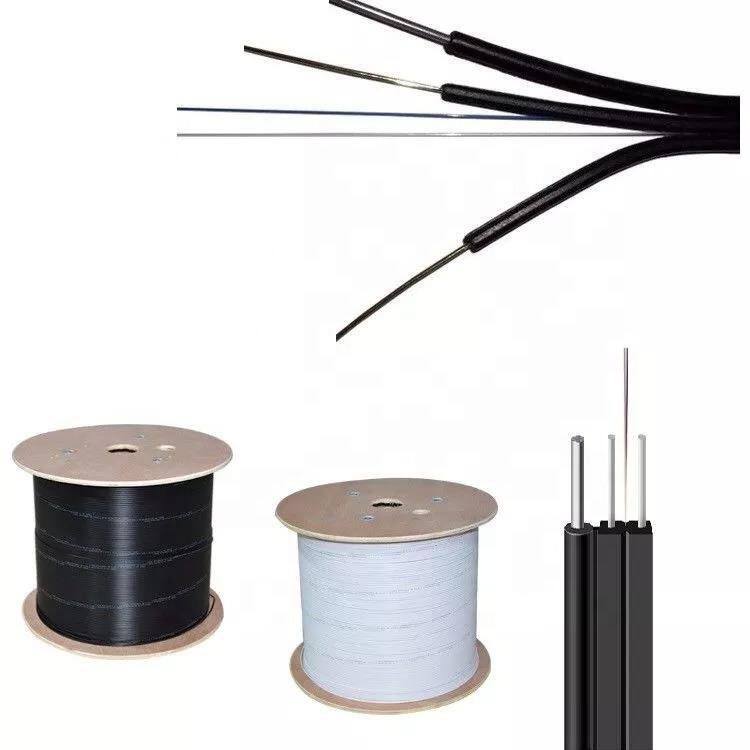
Network operators face increasingly complex decisions when selecting fiber optic equipment for modern scalable networks. The rapid evolution of bandwidth demands, cloud computing requirements, and edge computing applications has transformed how organizations approach network infrastructure planning. Selecting the right fiber optic equipment requires careful consideration of current capacity needs, future growth projections, and compatibility requirements across diverse network environments. Operators must evaluate multiple technical factors including transmission distance capabilities, port density configurations, power consumption specifications, and management features to ensure optimal network performance and cost-effectiveness.
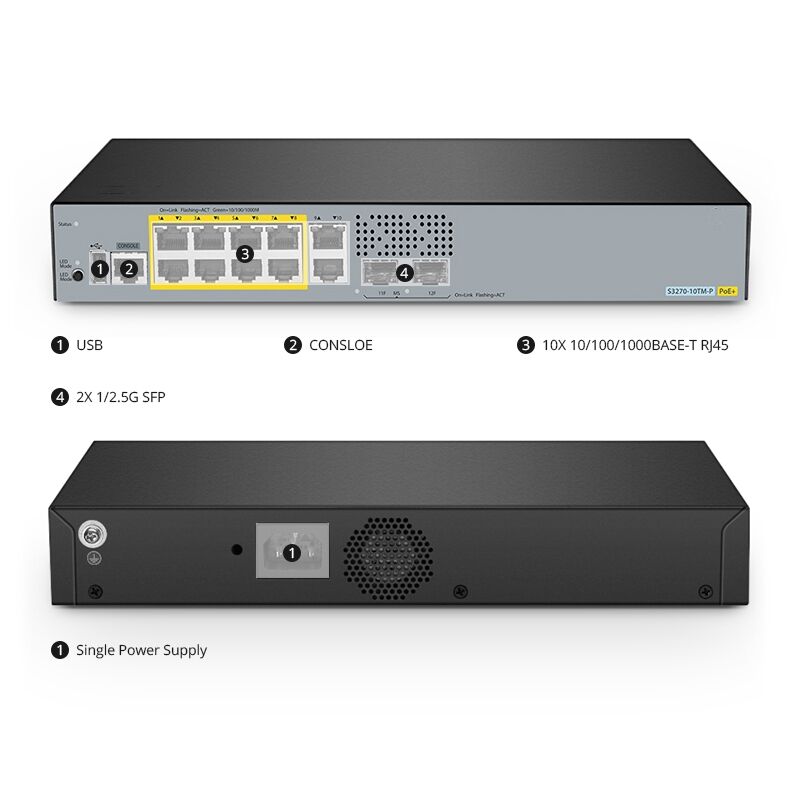
Understanding Network Scalability Requirements
Capacity Planning for Future Growth
Effective fiber optic equipment selection begins with comprehensive capacity planning that accounts for both immediate requirements and anticipated growth patterns. Network operators must analyze current traffic loads, application demands, and user growth projections to determine appropriate bandwidth provisioning strategies. This analysis should encompass peak usage scenarios, redundancy requirements, and potential service expansion plans that may impact overall network capacity needs.
Modern fiber optic equipment must accommodate dynamic scaling scenarios where bandwidth requirements can increase substantially within short timeframes. Operators should consider equipment that supports modular expansion capabilities, allowing for incremental capacity additions without requiring complete infrastructure overhauls. This approach minimizes capital expenditure timing while ensuring network performance remains consistent during growth phases.
Technology Evolution Considerations
The rapid pace of technological advancement in optical networking requires operators to select fiber optic equipment that can adapt to emerging standards and protocols. Equipment compatibility with next-generation transmission technologies, including advanced modulation formats and wavelength division multiplexing schemes, ensures long-term viability of network investments. Operators must evaluate vendor roadmaps and technology migration paths when making equipment selection decisions.
Forward-looking fiber optic equipment selection involves assessing support for emerging applications such as 5G backhaul, edge computing connectivity, and Internet of Things device integration. These applications often require specific latency characteristics, bandwidth profiles, and quality of service capabilities that must be considered during the equipment evaluation process.
Technical Specifications and Performance Criteria
Transmission Distance and Power Budget Analysis
Transmission distance capabilities represent critical specifications when selecting fiber optic equipment for scalable networks. Operators must evaluate equipment reach limitations across various fiber types, including single-mode and multimode configurations, to ensure adequate coverage for planned network topologies. Power budget calculations should account for connector losses, splice losses, and fiber attenuation characteristics specific to deployed cable plant infrastructure.
Advanced fiber optic equipment often incorporates digital signal processing technologies that extend transmission reach while maintaining signal quality. These capabilities become particularly important in long-haul applications or scenarios where fiber plant quality may be suboptimal. Operators should assess equipment dispersion compensation capabilities and chromatic dispersion tolerance when evaluating transmission performance specifications.
Port Density and Interface Flexibility
Port density configurations significantly impact both capital costs and operational efficiency in fiber optic network deployments. High-density equipment platforms reduce rack space requirements and power consumption per port while simplifying cable management and maintenance procedures. Operators must balance port density benefits against potential single-point-of-failure risks and maintenance access requirements.
Interface flexibility enables fiber optic equipment to support diverse connectivity requirements across different network segments. Mixed-rate port configurations allow operators to optimize bandwidth allocation while maintaining compatibility with legacy systems and emerging high-speed applications. This flexibility becomes particularly valuable in network migration scenarios where multiple transmission rates must coexist during transition periods.
Power and Environmental Considerations
Energy Efficiency and Operating Costs
Power consumption characteristics of fiber optic equipment directly impact operational expenses and environmental sustainability objectives. Energy-efficient equipment designs reduce cooling requirements, lower electricity costs, and minimize carbon footprint associated with network operations. Operators should evaluate power consumption specifications across different traffic loading conditions to accurately assess long-term operating costs.
Modern fiber optic equipment increasingly incorporates intelligent power management features that dynamically adjust power consumption based on traffic patterns and port utilization. These capabilities can significantly reduce energy costs in networks with variable traffic loads while maintaining full performance capabilities during peak demand periods. Operators should consider fiber optic equipment that provides detailed power monitoring and management capabilities.
Environmental Resilience and Reliability
Environmental operating specifications determine fiber optic equipment suitability for various deployment scenarios, including outdoor installations, harsh industrial environments, and temperature-controlled data centers. Equipment temperature ranges, humidity tolerance, and vibration resistance specifications must align with intended installation environments to ensure reliable long-term operation.
Reliability metrics such as mean time between failures and availability specifications provide important insights into equipment operational characteristics. High-reliability fiber optic equipment reduces maintenance requirements, minimizes service disruptions, and improves overall network availability. Operators should evaluate vendor reliability track records and warranty provisions when assessing equipment options.
Management and Monitoring Capabilities
Network Management Integration
Comprehensive network management capabilities enable operators to effectively monitor, configure, and troubleshoot fiber optic equipment across distributed network infrastructures. Standards-based management protocols ensure compatibility with existing network management systems while providing consistent operational procedures across diverse equipment platforms. This integration simplifies network operations and reduces training requirements for technical personnel.
Advanced fiber optic equipment incorporates sophisticated monitoring capabilities that provide real-time visibility into network performance metrics, alarm conditions, and traffic patterns. These features enable proactive maintenance approaches and rapid fault isolation procedures that minimize service impact during network issues. Operators should prioritize equipment that provides comprehensive performance monitoring and historical data collection capabilities.
Automation and Orchestration Support
Network automation capabilities become increasingly important as fiber optic networks scale to support growing capacity demands and service complexity. Equipment that supports programmable interfaces and software-defined networking principles enables automated provisioning, configuration management, and service deployment procedures. This automation reduces operational overhead while improving service deployment speed and consistency.
Modern fiber optic equipment should integrate seamlessly with network orchestration platforms that coordinate service delivery across multiple network layers and domains. This integration enables end-to-end service automation and reduces manual intervention requirements during network configuration changes and service provisioning activities.
Vendor Selection and Procurement Strategies
Vendor Evaluation Criteria
Selecting appropriate vendors for fiber optic equipment requires comprehensive evaluation of technical capabilities, financial stability, and long-term support commitments. Operators should assess vendor experience in similar network deployments, technical support quality, and product development roadmaps to ensure sustainable partnership relationships. Vendor geographic presence and local support capabilities significantly impact maintenance response times and technical assistance availability.
Financial considerations include total cost of ownership calculations that encompass initial equipment costs, ongoing maintenance expenses, and upgrade pathway investments. Operators should evaluate vendor pricing models, maintenance contract terms, and spare parts availability to accurately assess long-term financial commitments associated with fiber optic equipment selections.
Risk Mitigation and Contingency Planning
Multi-vendor strategies can reduce supply chain risks and prevent single-source dependencies that may impact network expansion or maintenance activities. Operators should consider standardizing on common interface specifications and management protocols that enable equipment interoperability across different vendor platforms. This approach provides flexibility in future procurement decisions while maintaining operational consistency.
Contingency planning should address potential vendor discontinuation scenarios, obsolescence timelines, and technology migration requirements. Fiber optic equipment selections should include consideration of backward compatibility requirements and upgrade pathways that preserve existing infrastructure investments while enabling future technology adoption.
FAQ
What are the most important factors to consider when selecting fiber optic equipment for network scalability
The most critical factors include transmission capacity requirements, port density configurations, power consumption characteristics, and management system compatibility. Operators must also evaluate future growth projections, technology evolution timelines, and vendor support capabilities. Environmental specifications and reliability metrics should align with deployment requirements while ensuring cost-effective operations throughout the equipment lifecycle.
How does power consumption impact fiber optic equipment selection decisions
Power consumption directly affects operational expenses through electricity costs and cooling requirements. Energy-efficient fiber optic equipment reduces long-term operating costs while supporting environmental sustainability objectives. Operators should evaluate power specifications across different loading conditions and consider equipment with intelligent power management features that optimize energy consumption based on actual traffic patterns.
What role do management capabilities play in fiber optic equipment selection
Comprehensive management capabilities enable efficient network monitoring, configuration, and troubleshooting across distributed infrastructures. Standards-based management protocols ensure compatibility with existing systems while advanced monitoring features provide real-time performance visibility. Automation support and programmable interfaces enable scalable network operations that reduce manual intervention requirements as networks grow.
How should operators evaluate vendor selection criteria for fiber optic equipment
Vendor evaluation should encompass technical capabilities, financial stability, support quality, and long-term roadmap alignment. Operators must assess vendor experience in similar deployments, geographic support presence, and maintenance response capabilities. Total cost of ownership calculations should include equipment costs, maintenance expenses, and upgrade investments to ensure sustainable partnership relationships throughout the equipment lifecycle.
Table of Contents
- Understanding Network Scalability Requirements
- Technical Specifications and Performance Criteria
- Power and Environmental Considerations
- Management and Monitoring Capabilities
- Vendor Selection and Procurement Strategies
-
FAQ
- What are the most important factors to consider when selecting fiber optic equipment for network scalability
- How does power consumption impact fiber optic equipment selection decisions
- What role do management capabilities play in fiber optic equipment selection
- How should operators evaluate vendor selection criteria for fiber optic equipment