 EN
EN

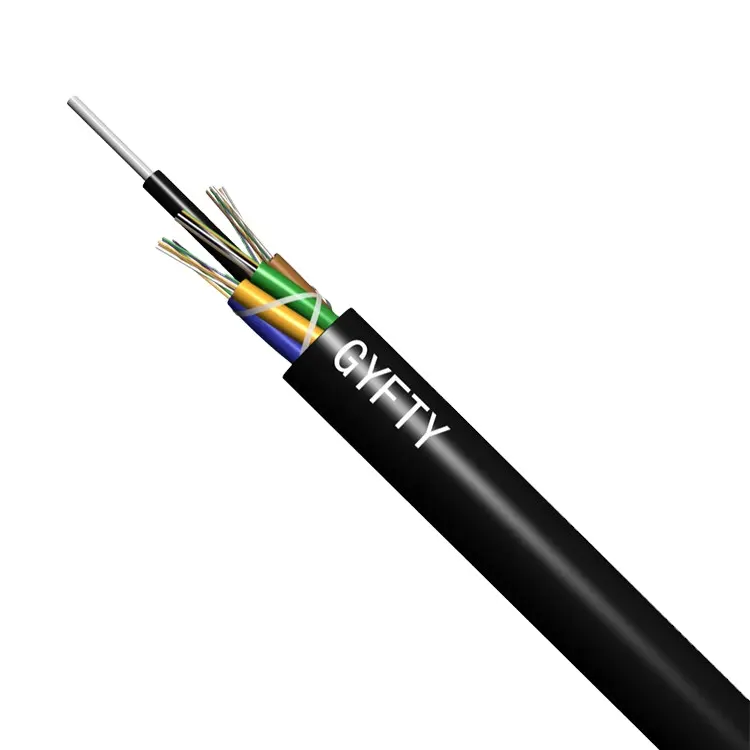
Industrial networks operating in harsh environments face constant challenges from physical stress, environmental hazards, and demanding operational conditions that can compromise network reliability and performance. Traditional fiber optic cables, while offering high-speed data transmission, often struggle to maintain consistent connectivity when exposed to industrial factors such as mechanical stress, moisture, temperature fluctuations, and electromagnetic interference. This vulnerability creates significant operational risks for industrial facilities that depend on uninterrupted network connectivity for critical processes, safety systems, and production control.
Reinforced fiber cabling addresses these challenges by incorporating protective elements such as steel tape armor, strength members, and enhanced jacket materials that significantly improve cable durability and longevity in industrial applications. Understanding how reinforced fiber cabling can benefit industrial networks requires examining the specific protection mechanisms, performance advantages, and operational improvements these robust cable designs deliver across various industrial sectors. The strategic implementation of reinforced fiber cabling transforms network infrastructure from a vulnerable component into a resilient foundation that supports long-term industrial operations.
Enhanced Physical Protection for Industrial Environments
Steel Tape Armoring Benefits
Steel tape armoring represents one of the most effective protection mechanisms in reinforced fiber cabling, providing exceptional resistance to crushing forces, impact damage, and mechanical stress commonly encountered in industrial settings. This armoring consists of corrugated steel tape wrapped around the cable core, creating a protective barrier that distributes external forces across the cable structure rather than concentrating stress on the delicate fiber cores. Industrial networks benefit from this protection through reduced cable failures, decreased maintenance requirements, and improved system uptime even when cables are subjected to heavy machinery vibrations, construction activities, or accidental impacts.
The steel armoring in reinforced fiber cabling also provides excellent protection against rodent damage, which represents a significant threat to network infrastructure in industrial facilities, warehouses, and outdoor installations. Unlike standard fiber cables that can be easily compromised by rodent activity, steel-armored cables present an impenetrable barrier that maintains network integrity while eliminating costly repairs and service interruptions. This protection proves particularly valuable in food processing facilities, agricultural operations, and industrial complexes where rodent presence poses ongoing risks to network infrastructure.
Environmental Resistance Properties
Reinforced fiber cabling incorporates specialized jacket materials and sealing technologies that provide superior resistance to environmental factors such as moisture, chemicals, oils, and temperature extremes that characterize industrial environments. These enhanced environmental protections enable industrial networks to maintain reliable performance in challenging conditions including manufacturing floors, chemical processing areas, outdoor installations, and underground conduit systems. The improved environmental resistance translates directly into extended cable life, reduced replacement costs, and consistent network performance regardless of environmental stresses.
Temperature cycling, humidity fluctuations, and exposure to industrial chemicals can rapidly degrade standard fiber cables, leading to signal degradation, increased attenuation, and eventual cable failure. Reinforced fiber cabling addresses these challenges through specialized polymer compounds, gel-filled designs, and enhanced sealing mechanisms that maintain cable integrity across wide temperature ranges and exposure to corrosive substances. Industrial networks benefit from this environmental protection through improved signal quality, extended service intervals, and reduced risk of unexpected network outages that can disrupt critical operations.
Superior Mechanical Performance Under Stress
Tensile Strength and Pull Resistance
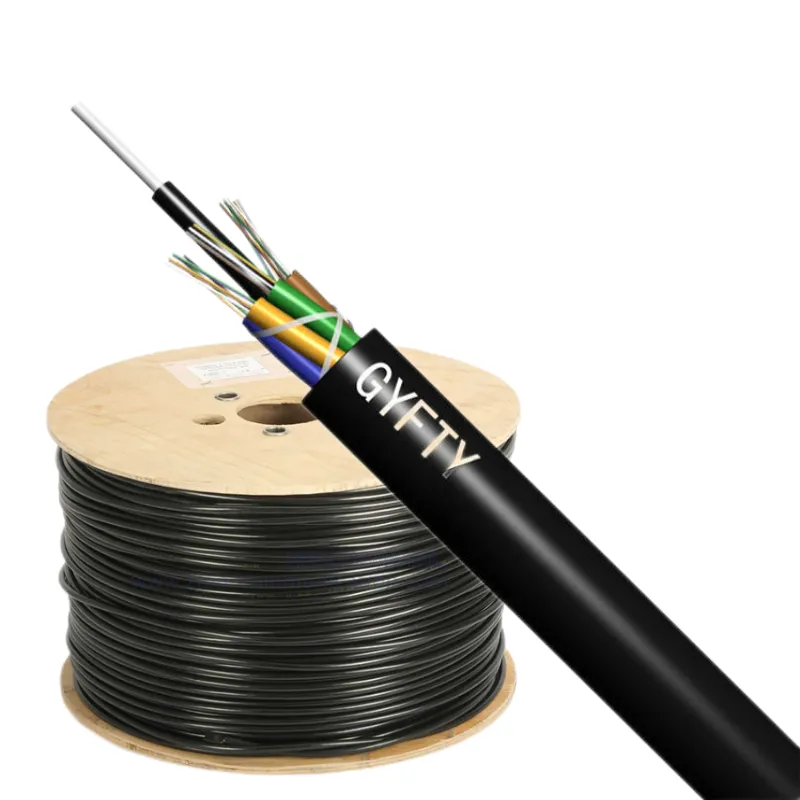
Industrial cable installations often require routing through conduits, cable trays, and underground pathways that subject cables to significant tensile forces during installation and ongoing operations. Reinforced fiber cabling incorporates high-strength aramid yarns, steel wire strength members, or fiberglass rods that dramatically increase tensile strength compared to standard fiber cables. This enhanced tensile capacity allows industrial networks to utilize longer cable runs, navigate complex routing paths, and withstand mechanical stresses that would damage conventional fiber installations.
The superior tensile strength of reinforced fiber cabling enables installation in challenging industrial environments where cables must span long distances, cross moving machinery, or traverse areas subject to structural movement. Industrial networks benefit from this mechanical performance through simplified installation procedures, reduced support requirements, and the ability to implement network designs that would be impractical with standard fiber cables. The enhanced pull resistance also facilitates future maintenance and reconfiguration activities without risking cable damage during handling.
Flexibility and Bend Radius Optimization
Despite their robust construction, modern reinforced fiber cabling designs maintain sufficient flexibility to accommodate tight routing requirements and repeated flexing that occurs in industrial applications. Advanced cable designs balance mechanical protection with flexibility through optimized armor configurations, specialized buffer tube designs, and careful selection of jacket materials that provide protection without compromising cable manageability. Industrial networks benefit from this flexibility through easier installation in confined spaces, reduced installation time, and the ability to route cables around obstacles without exceeding minimum bend radius specifications.
The bend radius characteristics of reinforced fiber cabling become particularly important in industrial control panels, equipment racks, and machinery installations where space constraints require tight cable routing. Enhanced flexibility allows industrial networks to maintain proper fiber protection while accommodating complex routing requirements that support equipment access, maintenance activities, and future modifications. This balance between protection and flexibility enables network designers to implement robust solutions without sacrificing installation practicality or long-term accessibility.
Long-Term Reliability and Maintenance Advantages
Reduced Failure Rates and Downtime
Industrial operations depend on consistent network connectivity to support automated systems, safety monitoring, production control, and communication functions that directly impact operational efficiency and safety. Reinforced fiber cabling significantly reduces network failure rates through enhanced protection against the environmental and mechanical stresses that commonly cause cable failures in industrial settings. This improved reliability translates into reduced unplanned downtime, lower maintenance costs, and improved operational continuity that supports industrial productivity and profitability.
The robust construction of reinforced fiber cabling extends cable service life well beyond that of standard fiber installations, providing industrial networks with predictable performance over extended operational periods. This longevity reduces the frequency of cable replacements, minimizes disruptions to ongoing operations, and provides better return on infrastructure investments. Industrial facilities benefit from this reliability through improved system availability, reduced emergency repair costs, and the ability to schedule maintenance activities during planned outages rather than responding to unexpected failures.
Simplified Installation and Future Expansion
The enhanced durability of reinforced fiber cabling simplifies installation procedures by reducing the risk of damage during cable pulling, routing, and termination activities. This durability allows installation crews to work more efficiently while reducing the likelihood of cable damage that could compromise network performance or require costly repairs. Industrial networks benefit from simplified installation through reduced installation time, lower labor costs, and improved confidence in installation quality that supports long-term system performance.
Future network expansion and modification activities are also simplified when industrial networks utilize reinforced fiber cabling, as the robust construction allows cables to be repositioned, rerouted, or reconfigured without the careful handling requirements associated with standard fiber installations. This flexibility supports evolving industrial requirements through easier network modifications, reduced risks during maintenance activities, and the ability to adapt network configurations as operational needs change. The enhanced durability of reinforced fiber cabling provides industrial networks with a foundation that can accommodate both current requirements and future growth.
Cost-Effectiveness and ROI Considerations
Initial Investment vs Long-Term Savings
While reinforced fiber cabling typically requires a higher initial investment compared to standard fiber installations, the long-term cost benefits often justify this additional expense through reduced maintenance costs, extended service life, and improved system reliability. Industrial networks that implement reinforced fiber cabling experience fewer cable failures, reduced repair costs, and lower replacement frequency that offset the initial cost premium over the cable service life. This economic advantage becomes particularly pronounced in harsh industrial environments where standard cables experience accelerated failure rates.
The total cost of ownership for reinforced fiber cabling includes factors such as installation costs, maintenance requirements, replacement frequency, and downtime impacts that must be evaluated against the initial cost difference. Industrial networks benefit from comprehensive cost analysis that considers the operational impact of network failures, emergency repair costs, and productivity losses associated with unplanned outages. When these factors are properly evaluated, reinforced fiber cabling often provides superior economic value through reduced lifecycle costs and improved operational reliability.
Risk Mitigation and Insurance Benefits
Industrial facilities face significant financial risks from network failures that can disrupt production, compromise safety systems, or impact regulatory compliance in critical applications. Reinforced fiber cabling provides risk mitigation benefits through improved system reliability that reduces exposure to operational disruptions and associated financial impacts. This risk reduction can translate into lower insurance premiums, improved regulatory compliance, and reduced exposure to liability issues related to network failures in safety-critical applications.
The enhanced reliability of reinforced fiber cabling also supports business continuity planning by providing industrial networks with infrastructure that can withstand various threat scenarios including environmental events, mechanical damage, and operational stresses. This reliability supports insurance and risk management objectives through documented infrastructure improvements that demonstrate proactive risk mitigation measures. Industrial networks benefit from this approach through improved insurability, reduced risk exposure, and enhanced ability to maintain operations during challenging conditions.
FAQ
What makes reinforced fiber cabling different from standard fiber optic cables?
Reinforced fiber cabling incorporates additional protective elements such as steel tape armoring, aramid strength members, enhanced jacket materials, and specialized sealing technologies that provide superior protection against mechanical stress, environmental hazards, and physical damage compared to standard fiber cables. These protective features enable operation in harsh industrial environments where standard cables would be vulnerable to failure.
Can reinforced fiber cabling handle the same data transmission speeds as regular fiber cables?
Yes, reinforced fiber cabling maintains the same high-speed data transmission capabilities as standard fiber optic cables while providing enhanced physical protection. The additional protective elements do not interfere with optical performance, allowing industrial networks to achieve the same bandwidth and transmission speeds while benefiting from improved durability and reliability in challenging environments.
How does the installation process differ for reinforced fiber cabling compared to standard fiber?
Installation of reinforced fiber cabling follows similar procedures to standard fiber installation but benefits from increased durability that reduces the risk of damage during cable pulling and routing activities. The enhanced tensile strength allows for longer cable pulls and less careful handling requirements, often simplifying installation while reducing the likelihood of installation-related damage that could compromise network performance.
What industrial environments benefit most from reinforced fiber cabling implementation?
Industrial environments with significant mechanical stress, environmental hazards, or harsh operating conditions benefit most from reinforced fiber cabling, including manufacturing facilities, chemical processing plants, power generation facilities, mining operations, outdoor installations, and any application where cables may be exposed to vibration, impact, moisture, temperature extremes, or chemical exposure that could damage standard fiber installations.
Table of Contents
- Enhanced Physical Protection for Industrial Environments
- Superior Mechanical Performance Under Stress
- Long-Term Reliability and Maintenance Advantages
- Cost-Effectiveness and ROI Considerations
-
FAQ
- What makes reinforced fiber cabling different from standard fiber optic cables?
- Can reinforced fiber cabling handle the same data transmission speeds as regular fiber cables?
- How does the installation process differ for reinforced fiber cabling compared to standard fiber?
- What industrial environments benefit most from reinforced fiber cabling implementation?