 EN
EN

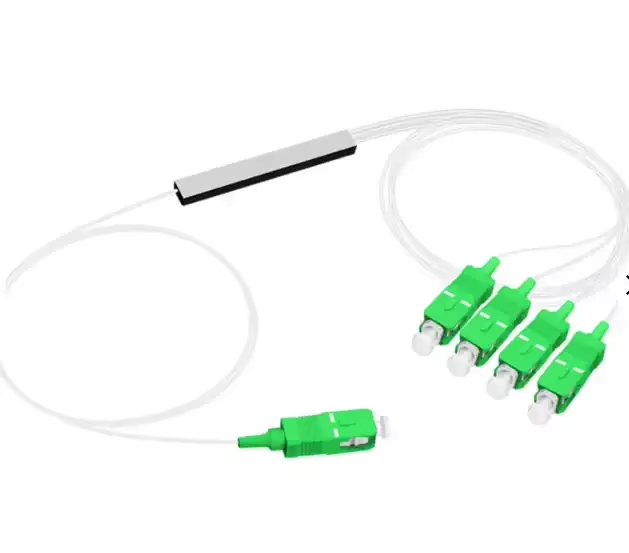
The lifespan of modern optical cables represents a critical consideration for telecommunications infrastructure, data centers, and industrial networks where long-term reliability directly impacts operational costs and service continuity. Understanding the factors that determine how long optical cables can maintain their performance characteristics enables network planners and engineers to make informed decisions about cable selection, installation practices, and maintenance strategies that optimize both initial investment and total cost of ownership.
Multiple interconnected variables influence the operational lifespan of optical cables, ranging from fundamental material properties and manufacturing quality to environmental stresses and installation methodologies. These factors operate continuously throughout the cable's service life, creating cumulative effects that gradually impact signal transmission quality, mechanical integrity, and overall system reliability. A comprehensive understanding of these influences allows organizations to predict service life more accurately and implement protective measures that extend cable longevity while maintaining optimal network performance.
Material Composition and Manufacturing Quality
Fiber Core and Cladding Materials
The fundamental lifespan of optical cables begins with the quality and purity of the silica glass used in fiber core and cladding construction. High-purity silica exhibits exceptional resistance to degradation over time, while impurities or manufacturing defects can create stress concentration points that lead to premature failure. Modern optical cables utilize advanced purification processes that minimize hydroxyl ions and metallic contaminations, which can cause signal attenuation and structural weakening over extended periods.
Manufacturing precision in controlling the core-to-cladding diameter ratio and concentricity directly affects long-term performance stability. Variations in these parameters can create stress points where mechanical fatigue accelerates, particularly under thermal cycling conditions. Quality control measures during the drawing process ensure consistent fiber geometry that maintains its structural integrity throughout decades of service.
Dopant selection and concentration in specialty fiber designs also influence longevity. Germanium-doped cores and fluorine-doped claddings must maintain their refractive index profiles over time to preserve signal quality. Advanced manufacturing techniques now produce optical cables with dopant stability that supports consistent performance for 25 years or more under normal operating conditions.
Protective Coating Systems
Primary and secondary protective coatings surrounding individual optical fibers serve as the first line of defense against environmental damage and mechanical stress. Acrylate-based coatings provide flexibility and protection against moisture ingress, while their chemical stability determines how well they maintain their protective properties over time. Modern coating formulations resist ultraviolet degradation, hydrolysis, and thermal cycling that can compromise fiber protection.
The adhesion strength between coating layers and the glass fiber affects long-term reliability, as delamination can expose the fiber to moisture and mechanical damage. Advanced coating technologies now incorporate stress-relief designs that accommodate thermal expansion differences between materials without compromising the protective seal. These innovations significantly extend the service life of optical cables in challenging environments.
Buffer materials surrounding coated fibers provide additional mechanical protection and stress isolation. Tight-buffered designs using thermoplastic materials must maintain their flexibility and dimensional stability throughout temperature variations and aging processes. Loose-tube designs filled with gel compounds require long-term chemical stability to prevent gel migration or hardening that could stress the enclosed fibers.
Environmental Stress Factors
Temperature Variations and Thermal Cycling
Temperature fluctuations represent one of the most significant environmental factors affecting optical cable lifespan. Repeated thermal cycling causes expansion and contraction of different cable materials at varying rates, creating internal stresses that accumulate over time. Extreme temperature ranges can exceed material limits, leading to coating degradation, buffer hardening, or jacket cracking that compromises long-term protection.
The coefficient of thermal expansion differences between fiber, coatings, and structural elements must be carefully managed through design to minimize stress concentrations. Advanced optical cables incorporate strain-relief features and material selection strategies that accommodate thermal movement without transferring excessive stress to the glass fibers. Proper thermal design enables consistent performance across temperature ranges from -40°C to +85°C for decades of service.
Thermal shock conditions, where rapid temperature changes occur, can cause immediate damage or accelerate long-term degradation processes. Installation in environments with frequent thermal cycling, such as outdoor aerial applications or industrial settings, requires optical cables specifically engineered for enhanced thermal stability and stress resistance.
Moisture and Chemical Exposure
Moisture ingress poses a persistent threat to optical cable longevity through multiple degradation mechanisms. Water molecules can diffuse through polymer materials over time, eventually reaching the glass fiber where they cause strength reduction through stress corrosion cracking. This process is particularly accelerated at elevated temperatures and under mechanical stress, making moisture control critical for long-term reliability.
Chemical exposure from industrial environments, soil conditions, or atmospheric pollutants can degrade cable materials through various reaction mechanisms. Acidic or alkaline conditions affect polymer stability, while organic solvents can cause swelling or softening of protective materials. Modern optical cables designed for harsh environments incorporate chemically resistant materials and enhanced sealing systems that maintain protection for extended periods.
Hydrogen gas exposure, particularly in industrial or power utility applications, can cause darkening of optical fibers through hydrogen-induced losses. Specialized hydrogen-resistant fiber designs and cable constructions are available for environments where hydrogen exposure is anticipated, ensuring maintained performance throughout the expected service life.
Mechanical Stress and Installation Factors
Tensile Loading and Bending Stress
Mechanical stress during installation and throughout service life significantly impacts optical cable longevity. Excessive tensile forces can cause immediate fiber damage or create stress concentrations that lead to delayed failure through fatigue mechanisms. Modern optical cables incorporate strength members designed to carry tensile loads while protecting the optical fibers from mechanical stress.
Bending radius limitations must be respected during installation and routing to prevent both immediate damage and long-term degradation. Sharp bends create stress concentrations in optical fibers that can propagate over time, leading to signal degradation and eventual failure. Advanced cable designs with bend-insensitive fibers and flexible constructions allow tighter routing while maintaining long-term reliability.
Dynamic loading conditions, such as wind-induced movement in aerial installations or vibration in industrial environments, create cyclic stresses that accumulate over millions of cycles. Fatigue resistance becomes critical in these applications, requiring careful attention to cable design, support structures, and installation practices that minimize dynamic stress levels.
Installation Quality and Practices
Installation methodology directly influences optical cable lifespan through its impact on initial stress levels and long-term environmental protection. Proper handling techniques that respect minimum bend radius requirements and tensile limits prevent installation-induced damage that could lead to premature failure. Training and adherence to manufacturer installation guidelines are essential for achieving design life expectations.
Splice and connector installation quality affects both immediate performance and long-term reliability. Poor fusion splicing techniques or contaminated connections can create loss points that degrade over time, while mechanical stress at termination points can lead to fiber breakage. Professional installation practices and regular inspection protocols help ensure that these critical points maintain their integrity throughout service life.
Protection of cables at transition points, such as building entrances or underground-to-aerial transitions, requires careful attention to sealing and stress relief. These locations often experience the highest environmental stress and are common failure points if not properly protected. Appropriate protective hardware and installation techniques at these critical points significantly extend overall system lifespan.
Operational Environment and Usage Patterns
Network Traffic and Optical Power Levels
The optical power levels and signal characteristics transmitted through optical cables can influence long-term fiber performance. High-power applications may cause photodarkening in certain fiber types, leading to gradual signal attenuation over time. Understanding the relationship between transmitted power levels and fiber specifications helps optimize system design for maximum longevity.
Wavelength division multiplexing systems that combine multiple optical signals require careful consideration of nonlinear effects and their potential impact on fiber aging. Advanced optical cables designed for high-capacity applications incorporate fiber designs that minimize these effects while maintaining stable performance characteristics throughout extended service periods.
Network utilization patterns, including continuous operation versus intermittent use, can affect thermal cycling and stress accumulation. Continuous operation may provide more stable thermal conditions, while intermittent use creates repeated thermal and mechanical cycling that can accelerate aging processes in some cable designs.
Maintenance and Monitoring Practices
Regular maintenance and performance monitoring significantly extend optical cable lifespan by enabling early detection and correction of developing problems. Optical time domain reflectometry and other testing methods can identify degradation trends before they result in service failures, allowing proactive maintenance or replacement decisions.
Preventive maintenance programs that include visual inspection, cleaning, and protection system verification help maintain optimal cable performance throughout service life. These programs are particularly important for outdoor installations where environmental stresses are highest and access for emergency repairs may be limited.
Documentation of installation details, environmental conditions, and performance history enables better prediction of remaining service life and optimization of replacement schedules. This data-driven approach to cable management maximizes both reliability and cost-effectiveness of optical network infrastructure.
FAQ
How long do optical cables typically last in normal operating conditions?
Modern high-quality optical cables typically maintain their performance specifications for 20 to 25 years in normal operating conditions, with some installations continuing to function well beyond 30 years. The actual lifespan depends on environmental conditions, installation quality, and usage patterns, with indoor installations generally lasting longer than outdoor cables exposed to weather and temperature variations.
What are the earliest signs that an optical cable may be reaching the end of its useful life?
Early indicators of aging optical cables include gradual increases in signal attenuation, higher error rates during high-speed transmissions, and visible deterioration of cable jackets or protective hardware. Regular optical testing can detect these performance changes before they impact network operation, allowing for planned replacement rather than emergency repairs.
Can environmental factors be controlled to extend optical cable lifespan?
While many environmental factors cannot be completely controlled, their impact can be minimized through proper cable selection for the specific environment, adequate protection systems, and installation practices that reduce stress concentrations. Temperature stabilization, moisture control, and protection from chemical exposure significantly extend cable life in challenging environments.
Is it worth investing in higher-grade optical cables for longer service life?
Higher-grade optical cables with enhanced environmental protection and superior materials often provide better long-term value despite higher initial costs. The extended service life, reduced maintenance requirements, and improved reliability typically result in lower total cost of ownership, particularly in critical applications where service interruptions are costly or in locations where cable replacement is expensive or difficult.
Table of Contents
- Material Composition and Manufacturing Quality
- Environmental Stress Factors
- Mechanical Stress and Installation Factors
- Operational Environment and Usage Patterns
-
FAQ
- How long do optical cables typically last in normal operating conditions?
- What are the earliest signs that an optical cable may be reaching the end of its useful life?
- Can environmental factors be controlled to extend optical cable lifespan?
- Is it worth investing in higher-grade optical cables for longer service life?