 EN
EN

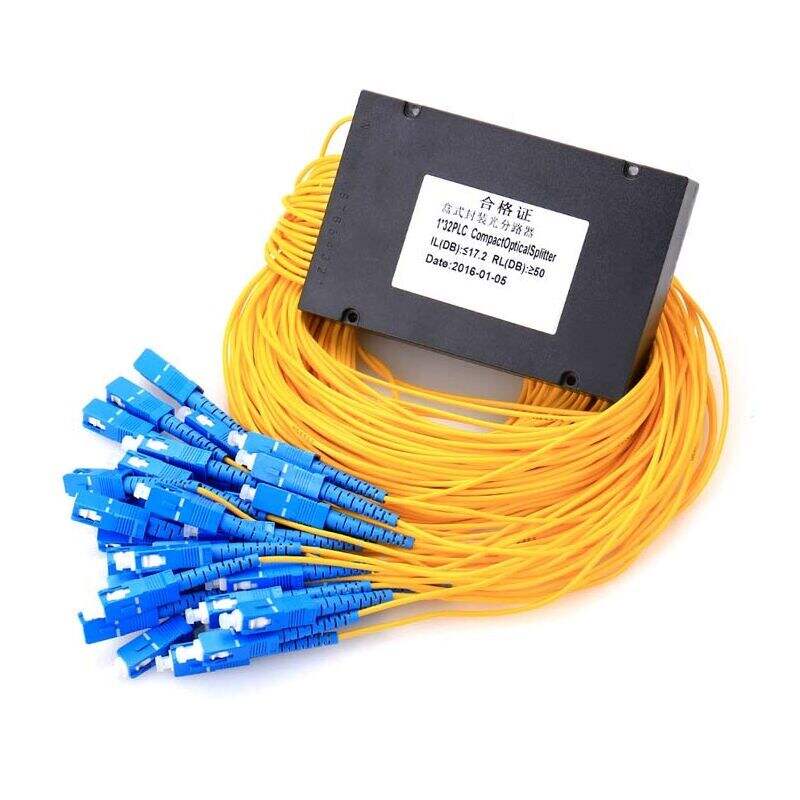
Dense user deployment in fiber optic networks presents unique challenges for telecommunications providers and network architects seeking optimal performance and cost-effectiveness. A 1x64 PLC splitter represents one of the most advanced passive optical components available for supporting high-density user environments, offering exceptional splitting ratios that can accommodate numerous subscribers from a single fiber feed. The growing demand for bandwidth-intensive applications and the proliferation of connected devices has made dense deployment scenarios increasingly common in urban areas, residential complexes, and enterprise environments where traditional splitting solutions may fall short of meeting capacity requirements.
Modern telecommunications infrastructure relies heavily on passive optical networks to deliver reliable connectivity to end users, and the choice of splitting technology directly impacts network performance, scalability, and maintenance costs. Understanding the capabilities and limitations of a 1x64 PLC splitter becomes crucial for network designers who must balance technical specifications with practical deployment considerations. The evaluation of these components involves examining insertion loss characteristics, uniformity performance, environmental stability, and long-term reliability factors that influence overall network quality and subscriber satisfaction.
Technical Specifications and Performance Characteristics
Insertion Loss and Optical Performance
The insertion loss characteristics of a 1x64 PLC splitter typically range from 20.5 to 21.5 dB, which represents the inherent optical power loss introduced by the splitting process across all output ports. This performance parameter directly affects the maximum transmission distance and the number of users that can be effectively served while maintaining acceptable signal quality levels. Advanced manufacturing techniques and precise waveguide design contribute to minimizing excess loss beyond the theoretical splitting loss, ensuring optimal power distribution across all output channels.
Uniformity performance represents another critical specification that determines how evenly optical power is distributed among the 64 output ports of the splitter. High-quality PLC splitters maintain uniformity within 1.0 dB across all channels, preventing significant power variations that could result in inconsistent service quality for different subscribers. The wavelength-dependent characteristics of these devices ensure stable performance across the entire C-band spectrum, making them suitable for various DWDM and CWDM applications where multiple wavelengths may be present simultaneously.
Environmental Stability and Reliability
Environmental stability factors play a crucial role in determining the suitability of a 1x64 PLC splitter for dense deployment scenarios where consistent performance across varying conditions is essential. These components undergo rigorous testing to ensure stable operation across temperature ranges from -40°C to +85°C, meeting telecommunications industry standards for both indoor and outdoor installations. Humidity resistance, vibration tolerance, and thermal cycling capabilities contribute to the long-term reliability required in mission-critical network infrastructure.
The mechanical design of PLC splitters incorporates protective packaging that shields the optical circuits from environmental stresses while maintaining accessibility for installation and maintenance procedures. Hermetic sealing techniques prevent moisture ingress that could degrade optical performance over time, while robust connector interfaces ensure reliable connections that withstand repeated handling during network modifications or troubleshooting activities.
Dense Deployment Applications and Use Cases
Residential and Multi-Dwelling Unit Scenarios
Dense residential deployments represent one of the primary applications where a 1x64 PLC splitter demonstrates exceptional value by enabling service providers to connect multiple apartment buildings, condominiums, or housing developments from a single fiber feeder. The high splitting ratio reduces the infrastructure requirements at the central office or remote terminal while maximizing the subscriber capacity per fiber strand. This approach proves particularly beneficial in urban environments where fiber resources are limited and the cost of additional fiber installation would be prohibitive.
Multi-dwelling unit applications benefit from the compact form factor and flexible installation options that PLC splitters provide, allowing deployment in confined spaces such as utility rooms, basement facilities, or outdoor enclosures where traditional splitting solutions might not fit effectively. The passive nature of these components eliminates the need for electrical power at the splitting location, simplifying installation requirements and reducing ongoing operational costs associated with active network elements.
Enterprise and Campus Network Implementation
Enterprise campus environments present unique challenges for fiber optic network design, where a 1x64 PLC splitter can efficiently serve multiple buildings, departments, or functional areas from a centralized distribution point. The ability to support 64 individual connections enables comprehensive coverage of large facilities while maintaining the flexibility to accommodate future expansion or reconfiguration requirements. Educational institutions, corporate campuses, and industrial facilities benefit from this scalable approach to fiber distribution.
The reliability and performance consistency of PLC splitting technology align well with enterprise requirements for mission-critical connectivity, where network downtime or service degradation can result in significant operational impacts. The passive operation ensures minimal maintenance requirements while providing the bandwidth capacity necessary to support demanding applications such as video conferencing, cloud computing, and high-speed data transfer between locations.
Network Design Considerations and Planning Factors
Power Budget Analysis and Link Calculations
Effective implementation of a 1x64 PLC splitter requires careful power budget analysis to ensure adequate optical power reaches all end users while maintaining acceptable signal-to-noise ratios for reliable data transmission. Network designers must account for the splitter insertion loss, fiber attenuation, connector losses, and receiver sensitivity to determine the maximum achievable transmission distances and data rates. These calculations become particularly critical in dense deployment scenarios where users may be located at varying distances from the splitting point.
The development of comprehensive link budgets involves consideration of system margins that account for component aging, temperature variations, and potential connector degradation over the network lifetime. Advanced optical time-domain reflectometer testing and power meter measurements provide verification that actual performance meets design specifications and identify potential issues before they impact service quality for subscribers.
Scalability and Future Expansion Planning
The selection of a 1x64 PLC splitter as part of a dense deployment strategy requires consideration of long-term scalability requirements and the potential for future capacity expansion. While 64 output ports provide substantial initial capacity, growing bandwidth demands and subscriber additions may eventually require network architecture modifications or the implementation of additional splitting stages to maintain service quality levels.
Network planners must evaluate the trade-offs between initial deployment costs and future upgrade expenses, considering factors such as available fiber infrastructure, expected subscriber growth rates, and technological evolution in optical networking equipment. The modular nature of PLC splitter technology allows for staged deployment approaches where additional splitting capacity can be added incrementally as demand increases, providing cost-effective scalability options for service providers.
Installation and Maintenance Best Practices
Proper Installation Techniques and Procedures
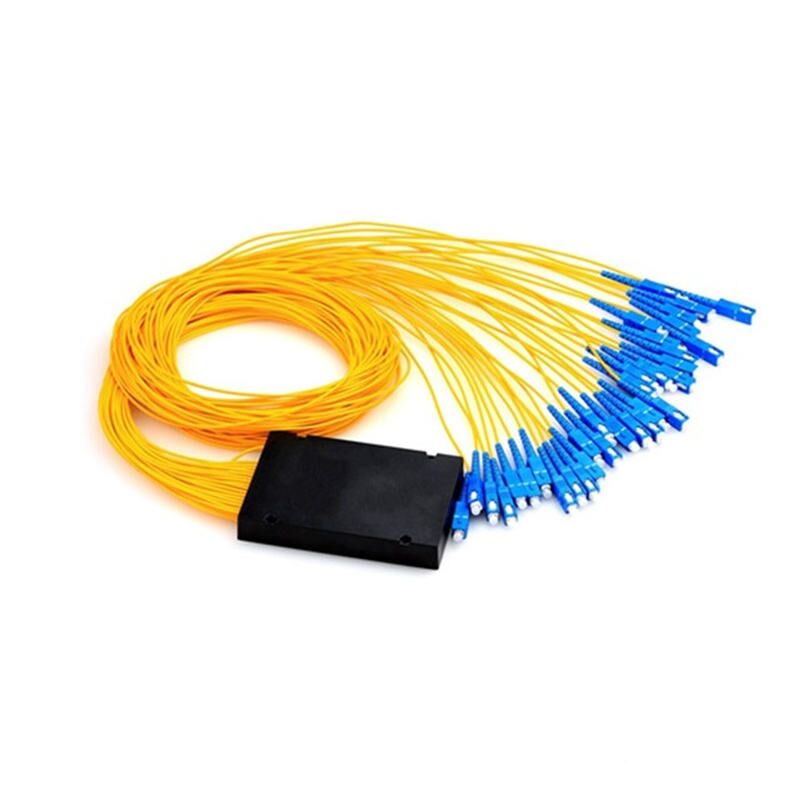
Successful deployment of a 1x64 PLC splitter requires adherence to specific installation procedures that ensure optimal performance and long-term reliability in dense user environments. Proper fiber handling techniques, connector cleaning protocols, and splice quality verification contribute to maintaining the low insertion loss and high uniformity characteristics that make these components effective for supporting multiple subscribers. Installation teams must be trained in the unique requirements of PLC technology to avoid damage during handling and connection procedures.
Environmental protection measures during installation include proper sealing of enclosures, strain relief for fiber cables, and protection from moisture, dust, and mechanical stress that could degrade performance over time. The use of appropriate test equipment during installation provides immediate verification of splitter performance and identifies any issues that require correction before the network becomes operational and begins serving subscribers.
Ongoing Maintenance and Troubleshooting
The passive nature of a 1x64 PLC splitter contributes to reduced maintenance requirements compared to active network components, but periodic inspection and testing remain essential for ensuring continued optimal performance in dense deployment applications. Regular optical power measurements, connector inspection, and enclosure condition assessment help identify potential issues before they result in service interruptions or quality degradation for end users.
Troubleshooting procedures for PLC splitters focus on systematic isolation of potential failure points within the optical path, including input fiber connections, splitter performance, and output port functionality. The availability of detailed performance specifications and baseline measurements enables maintenance personnel to quickly identify deviations from normal operation and implement appropriate corrective actions to restore service quality.
Cost-Benefit Analysis and Economic Considerations
Initial Deployment Investment Evaluation
The economic justification for implementing a 1x64 PLC splitter in dense deployment scenarios involves analyzing the total cost of ownership compared to alternative network architectures that might achieve similar subscriber capacity. Initial equipment costs must be weighed against the reduced fiber infrastructure requirements, simplified installation procedures, and lower ongoing operational expenses associated with passive optical components. The high port count of these splitters often results in lower per-subscriber costs compared to multiple smaller splitters or active distribution equipment.
Return on investment calculations should consider the time value of money, expected subscriber uptake rates, and revenue generation potential from the additional capacity enabled by high-ratio splitting technology. Service providers must also factor in the competitive advantages gained from deploying advanced fiber infrastructure that can support current and future bandwidth requirements without requiring significant network modifications.
Long-Term Operational Cost Benefits
The operational cost advantages of a 1x64 PLC splitter extend beyond the initial deployment phase to encompass reduced maintenance requirements, improved network reliability, and enhanced scalability for future service expansions. The passive operation eliminates ongoing electrical power costs while minimizing the need for environmental control systems at remote locations. These factors contribute to improved operational efficiency and reduced total cost of ownership over the network lifetime.
Energy efficiency considerations become increasingly important as service providers focus on reducing operational carbon footprints and meeting sustainability objectives. The elimination of active electronics at distribution points through the use of passive PLC splitters supports these environmental goals while maintaining the performance levels required for competitive service delivery in dense user markets.
FAQ
What is the maximum transmission distance achievable with a 1x64 PLC splitter in dense deployment scenarios
The maximum transmission distance when using a 1x64 PLC splitter depends on several factors including the optical transceiver power, receiver sensitivity, total link loss budget, and required bit error rate performance. Typically, with standard single-mode fiber and appropriate optical equipment, distances of 10-20 kilometers can be achieved while maintaining acceptable signal quality for all 64 subscribers. However, specific applications may require detailed link budget calculations to determine exact distance limitations based on the particular equipment specifications and performance requirements.
How does the performance of a 1x64 PLC splitter compare to using multiple smaller splitters in cascade
A single 1x64 PLC splitter typically provides superior performance compared to cascaded smaller splitters in terms of total insertion loss, uniformity across output ports, and overall system complexity. While cascaded configurations might offer more flexibility in network topology, they introduce additional connection points that can increase total system loss and create more potential failure points. The integrated design of a single high-ratio splitter also provides better wavelength stability and temperature performance compared to multiple interconnected components.
What are the key factors to consider when selecting connector types for a 1x64 PLC splitter installation
Connector selection for 1x64 PLC splitter installations should consider factors such as insertion loss performance, return loss characteristics, environmental durability, and compatibility with existing network infrastructure. SC, LC, and FC connector types are commonly used, with the choice depending on port density requirements, cable management considerations, and standardization preferences within the network. Angled PC or APC connectors are often preferred to minimize back reflections that could impact system performance in dense deployment scenarios.
How can network operators ensure optimal long-term reliability when deploying 1x64 PLC splitters in outdoor environments
Ensuring long-term reliability for outdoor 1x64 PLC splitter deployments requires proper environmental protection through sealed enclosures, moisture barriers, and temperature management systems where necessary. Regular inspection schedules should include connector cleaning, seal integrity verification, and optical performance testing to identify potential issues before they impact service quality. Additionally, selecting splitters with appropriate temperature ratings and environmental certifications for the specific deployment conditions helps ensure sustained performance over the expected service lifetime.
Table of Contents
- Technical Specifications and Performance Characteristics
- Dense Deployment Applications and Use Cases
- Network Design Considerations and Planning Factors
- Installation and Maintenance Best Practices
- Cost-Benefit Analysis and Economic Considerations
-
FAQ
- What is the maximum transmission distance achievable with a 1x64 PLC splitter in dense deployment scenarios
- How does the performance of a 1x64 PLC splitter compare to using multiple smaller splitters in cascade
- What are the key factors to consider when selecting connector types for a 1x64 PLC splitter installation
- How can network operators ensure optimal long-term reliability when deploying 1x64 PLC splitters in outdoor environments