 EN
EN

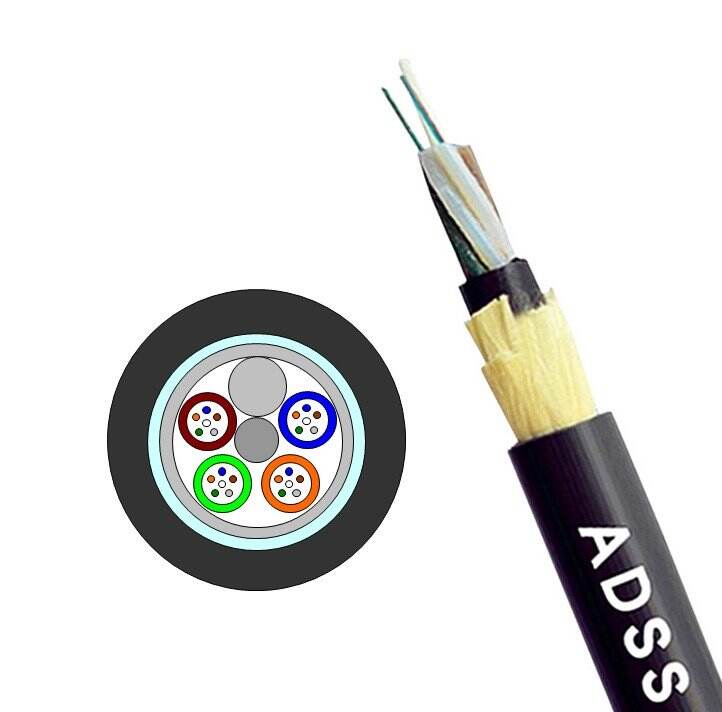
Modern data centers face unprecedented demands for speed, reliability, and efficiency, making the quality of fiber optic tools more critical than ever before. As network infrastructure becomes increasingly complex and data transmission requirements continue to escalate, data center operators must evaluate whether their current fiber optic tools can meet evolving performance standards. The decision to upgrade fiber optic tools represents a strategic investment that can significantly impact operational efficiency, network reliability, and long-term cost management.
Understanding the advantages of upgrading fiber optic tools requires examining how advanced equipment directly addresses the operational challenges facing today's data centers. From enhanced precision in fiber termination to improved signal integrity across high-density installations, upgraded fiber optic tools deliver measurable benefits that extend far beyond initial equipment costs. These advantages encompass technical performance improvements, operational efficiency gains, and strategic positioning for future network expansion requirements.
Enhanced Network Performance and Signal Quality
Superior Connection Precision and Reliability
Advanced fiber optic tools deliver significantly improved connection precision compared to older equipment, directly translating to enhanced network performance across data center operations. Modern fiber optic tools incorporate precision-engineered components that ensure consistent fiber alignment during termination processes, reducing insertion loss and return loss to industry-leading levels. This precision becomes particularly critical in high-density data center environments where signal integrity must be maintained across thousands of connections simultaneously.
The reliability improvements offered by upgraded fiber optic tools manifest through reduced connection variability and enhanced repeatability in termination procedures. Professional-grade fiber optic tools feature calibrated mechanisms that eliminate human error factors while ensuring each connection meets stringent performance specifications. Data centers utilizing advanced fiber optic tools report measurable improvements in network uptime and reduced troubleshooting time for connectivity issues.
Temperature stability represents another crucial advantage of modern fiber optic tools, particularly in data center environments subject to thermal variations. Advanced materials and engineering design enable these tools to maintain consistent performance characteristics across operational temperature ranges, ensuring reliable connections regardless of environmental conditions within the data center facility.
Reduced Signal Attenuation and Loss
Upgraded fiber optic tools incorporate design innovations that minimize signal attenuation during installation and maintenance procedures, preserving signal strength across extended fiber runs common in large data center installations. These tools feature optimized cutting angles, improved polishing mechanisms, and enhanced cleaving precision that collectively reduce optical loss at connection points. The cumulative effect of these improvements can result in significant signal quality enhancements across entire network infrastructures.
The impact of reduced signal attenuation becomes particularly pronounced in long-distance connections within data centers, where even minor losses can compound to affect overall system performance. Modern fiber optic tools enable technicians to achieve consistently low-loss connections that maintain signal integrity over extended distances, supporting high-bandwidth applications and future network expansion requirements.
Advanced fiber optic tools also minimize micro-bending and stress-related losses during installation procedures through improved handling mechanisms and ergonomic designs. These features ensure that fiber cables maintain optimal performance characteristics throughout the installation process, preventing damage that could compromise long-term signal quality and network reliability.
Operational Efficiency and Productivity Improvements
Faster Installation and Maintenance Procedures
Modern fiber optic tools significantly reduce installation time through streamlined procedures and automated features that eliminate time-consuming manual adjustments. Advanced cleaving tools, for example, incorporate automatic positioning systems that ensure optimal fiber preparation with minimal technician intervention, reducing per-connection installation time by substantial margins. These efficiency gains become particularly valuable in large-scale data center deployments where hundreds or thousands of connections must be completed within tight project timelines.
The productivity improvements extend to maintenance operations where upgraded fiber optic tools enable faster troubleshooting and repair procedures. Enhanced diagnostic capabilities built into modern tools allow technicians to quickly identify connection issues and implement corrective measures without extensive testing procedures. This rapid response capability minimizes network downtime and reduces the labor costs associated with maintenance activities.
Ergonomic improvements in contemporary fiber optic tools reduce technician fatigue during extended installation sessions, enabling sustained productivity levels throughout project completion. These design enhancements include lightweight materials, improved grip surfaces, and optimized tool balance that collectively support efficient work practices in data center environments.
Reduced Error Rates and Rework Requirements
Advanced fiber optic tools incorporate quality control features that dramatically reduce connection errors and subsequent rework requirements, translating to significant cost savings and improved project completion rates. Automated measurement systems and visual feedback mechanisms help technicians achieve proper fiber preparation and termination on the first attempt, eliminating the need for costly connection repairs and replacements.
The reduction in error rates achieved through upgraded fiber optic tools extends beyond immediate installation benefits to long-term network reliability improvements. Properly executed connections using precision tools maintain performance characteristics over extended service periods, reducing the frequency of maintenance interventions and replacement procedures. This reliability improvement contributes to overall data center operational efficiency and reduced total cost of ownership.
Quality assurance features built into modern fiber optic tools provide real-time feedback during termination procedures, enabling technicians to make immediate corrections before completing connections. This proactive approach to quality control prevents defective connections from entering service, avoiding potential network disruptions and associated troubleshooting costs.
Cost-Effectiveness and Return on Investment
Long-Term Equipment Durability and Reliability
Investing in high-quality fiber optic tools delivers substantial long-term value through enhanced equipment durability and extended service life compared to basic alternatives. Professional-grade fiber optic tools utilize superior materials and precision manufacturing processes that withstand the demanding requirements of data center environments, including frequent use cycles and challenging working conditions. This durability translates to reduced replacement costs and improved return on investment over the equipment lifecycle.
The reliability advantages of premium fiber optic tools extend to consistent performance characteristics throughout their operational life, maintaining precision and accuracy specifications that ensure ongoing connection quality. Data centers utilizing durable fiber optic tools report reduced tool maintenance requirements and lower overall equipment costs compared to facilities using lower-grade alternatives that require frequent replacement or calibration.
Enhanced build quality in modern fiber optic tools includes corrosion-resistant materials and protective coatings that maintain tool performance in challenging environmental conditions typical of data center installations. This environmental resilience ensures that tool investments provide consistent value throughout their service life, supporting reliable network installation and maintenance operations.
Reduced Labor and Maintenance Costs
The efficiency improvements delivered by upgraded fiber optic tools translate directly to reduced labor costs through faster installation procedures and decreased rework requirements. Technicians using advanced fiber optic tools can complete connection procedures in significantly less time while achieving superior quality results, reducing overall project costs and improving resource utilization. These labor savings become particularly significant in large-scale data center projects where personnel costs represent substantial portions of total project budgets.
Maintenance cost reductions result from the improved connection quality achieved through precision fiber optic tools, which minimize the frequency of repair and replacement procedures required throughout network service life. High-quality connections established using advanced tools maintain performance specifications longer than those created with basic equipment, reducing ongoing maintenance requirements and associated costs.
Training cost advantages also emerge from the user-friendly design features incorporated into modern fiber optic tools, which reduce the learning curve for technicians and minimize specialized training requirements. Intuitive operation and built-in quality control features enable technicians to achieve professional results with less extensive training, reducing overall skill development costs and improving workforce flexibility.
Future-Proofing and Technology Compatibility
Support for Emerging Fiber Technologies
Modern fiber optic tools are engineered to accommodate emerging fiber technologies and evolving industry standards, ensuring that data center investments remain relevant as network requirements continue to advance. Advanced fiber optic tools support various fiber types including single-mode, multimode, and specialty fibers required for next-generation applications such as 400G and beyond transmission systems. This versatility enables data centers to adopt new technologies without requiring complete tool replacement, protecting equipment investments while supporting technological evolution.
The compatibility advantages of upgraded fiber optic tools extend to support for miniaturized connector formats and high-density applications that characterize modern data center designs. As data centers continue to increase port density and reduce physical footprints, fiber optic tools must accommodate smaller form factors and tighter working spaces while maintaining precision and quality standards. Contemporary tools incorporate these requirements through compact designs and precision mechanisms suited to high-density installations.
Advanced fiber optic tools also support emerging installation techniques and procedures that improve efficiency and quality in contemporary data center environments. Features such as automated positioning, digital measurement systems, and quality verification capabilities align with industry trends toward standardization and quality assurance, ensuring that tool investments support current best practices while accommodating future procedural developments.
Scalability for Expanding Network Requirements
The scalability advantages of professional-grade fiber optic tools enable data centers to accommodate growing network requirements without compromising installation quality or efficiency. Advanced tools support various connection volumes from small installations to enterprise-scale deployments, providing consistent performance characteristics regardless of project scope. This scalability ensures that tool investments provide value across different project types and sizes, supporting data center growth strategies and changing operational requirements.
Capacity planning benefits emerge from the reliability and efficiency improvements delivered by upgraded fiber optic tools, which enable data centers to handle increased connection volumes without proportional increases in installation time or labor requirements. The productivity gains achieved through advanced tools support network expansion initiatives while maintaining quality standards and controlling implementation costs.
Integration capabilities built into modern fiber optic tools support seamless incorporation into existing data center workflows and procedures, minimizing disruption during tool upgrades while maximizing operational benefits. These integration features include compatibility with existing test equipment, documentation systems, and quality control procedures, ensuring that tool improvements enhance rather than complicate existing operational frameworks.
FAQ
How often should data centers upgrade their fiber optic tools?
Data centers should evaluate fiber optic tool upgrades every 3-5 years or when experiencing increased error rates, longer installation times, or compatibility issues with new fiber technologies. The optimal upgrade frequency depends on usage intensity, technological advancement rates, and quality requirements. High-volume facilities may benefit from more frequent upgrades to maintain productivity and quality standards, while smaller operations can extend replacement cycles if tools maintain acceptable performance levels.
What is the typical return on investment for upgrading fiber optic tools?
Most data centers realize return on investment within 12-18 months through reduced labor costs, improved productivity, and decreased rework requirements. The exact ROI depends on installation volume, labor costs, and quality improvement achieved. Facilities with high connection volumes typically see faster payback periods due to significant labor savings, while the long-term benefits include reduced maintenance costs and improved network reliability that extend value beyond initial payback calculations.
Can upgraded fiber optic tools work with existing network infrastructure?
Yes, modern fiber optic tools are designed for backward compatibility with existing fiber types and connector formats while supporting new technologies. Upgraded tools typically accommodate various fiber specifications including single-mode, multimode, and specialty fibers used in legacy installations. This compatibility ensures that tool upgrades enhance rather than disrupt existing operations while providing capability for future network expansion and technology adoption.
What training is required when implementing new fiber optic tools?
Most upgraded fiber optic tools require minimal additional training due to intuitive design features and built-in quality control mechanisms. Basic orientation sessions covering tool-specific features and procedures typically suffice for experienced technicians, while comprehensive training programs may benefit new personnel or those transitioning from basic equipment. Many modern tools include visual feedback systems and automated features that reduce learning curves and improve initial proficiency rates.