 EN
EN

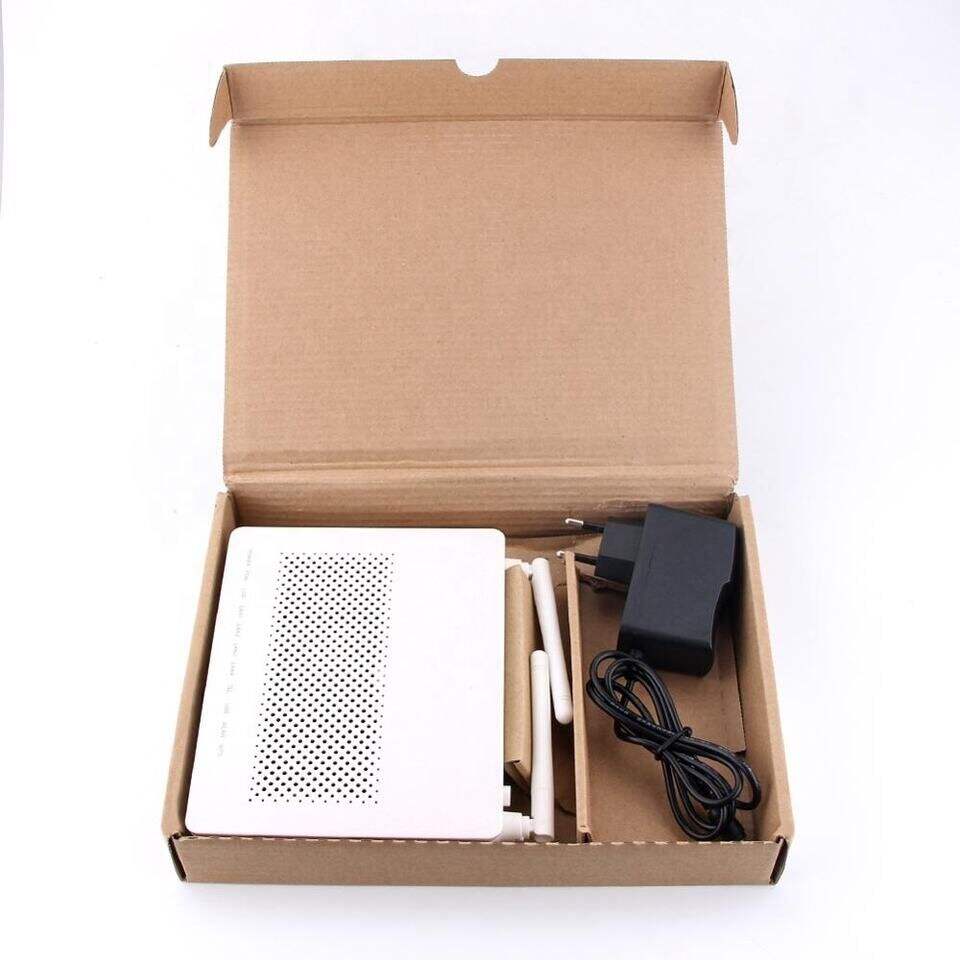
Modern internet connectivity demands are evolving rapidly, pushing network infrastructure toward more efficient and integrated solutions. The emergence of Wi-Fi 6 ONT devices represents a significant advancement in optical network terminals, combining fiber optic connectivity with cutting-edge wireless capabilities in a single unit. This technological convergence raises important questions about whether traditional networking setups requiring separate routers remain necessary or if integrated solutions can adequately serve both residential and business environments.
Understanding the capabilities and limitations of integrated optical network terminals is crucial for making informed decisions about network infrastructure investments. Service providers increasingly offer these advanced units as complete networking solutions, promising simplified installation processes and reduced equipment costs. However, the reality of whether these devices can truly replace dedicated routing equipment depends on numerous factors including network size, performance requirements, and specific use case scenarios that vary significantly across different deployment environments.
Understanding Wi-Fi 6 ONT Technology
Core Technical Components
A Wi-Fi 6 ONT integrates multiple networking functions into a single device, combining the optical network terminal capabilities required for fiber internet connectivity with advanced wireless access point functionality. These units typically feature sophisticated processors capable of handling both the optical signal conversion and wireless traffic management simultaneously. The integration includes dedicated hardware for managing GPON or EPON protocols while maintaining separate radio frequency modules optimized for Wi-Fi 6 performance standards.
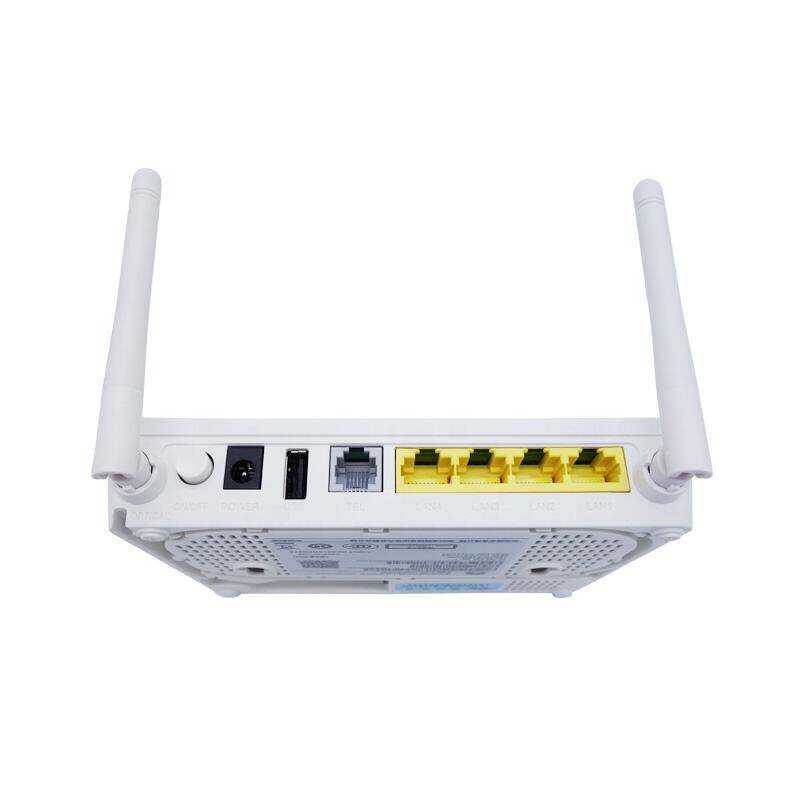
The technical architecture of these devices incorporates advanced antenna systems designed to maximize wireless coverage while minimizing interference between optical and wireless components. Modern Wi-Fi 6 ONT units often feature multiple high-gain antennas strategically positioned to provide optimal signal propagation patterns. The internal circuitry separates optical processing from wireless functions through careful electromagnetic shielding and component isolation techniques that prevent cross-interference issues commonly encountered in earlier integrated designs.
Performance Capabilities and Specifications
Contemporary Wi-Fi 6 ONT devices deliver impressive performance metrics that rival dedicated router solutions in many scenarios. These units typically support gigabit fiber connections while providing wireless speeds up to 2.4 Gbps across dual-band or tri-band configurations. The advanced processing capabilities enable simultaneous handling of multiple high-bandwidth applications including 4K video streaming, online gaming, and large file transfers without significant performance degradation.
The quality of service management built into modern Wi-Fi 6 ONT systems provides intelligent traffic prioritization and bandwidth allocation features. These capabilities ensure critical applications receive adequate network resources while maintaining overall system stability under heavy load conditions. The integrated approach allows for more efficient resource utilization compared to separate device configurations, as the unified management system can optimize performance across both optical and wireless interfaces simultaneously.
Comparing Integrated Solutions with Separate Router Configurations
Installation and Setup Complexity
The installation process for Wi-Fi 6 ONT systems significantly simplifies network deployment compared to traditional separate device configurations. Service technicians can complete the entire setup using a single device connection, eliminating the need for additional ethernet cables, power adapters, and configuration procedures required when installing separate routers. This streamlined approach reduces installation time and potential points of failure while minimizing the technical expertise required for basic network setup.
Configuration management becomes more straightforward with integrated systems, as users access all network settings through a unified interface rather than managing separate devices with different management protocols. The consolidated approach reduces configuration conflicts and ensures consistent security policies across the entire network infrastructure. However, this simplification can also limit advanced customization options that networking professionals might require for specialized applications or complex network topologies.
Cost Considerations and Economic Factors
The economic implications of choosing Wi-Fi 6 ONT solutions versus separate router configurations involve multiple cost factors beyond initial equipment pricing. Integrated solutions typically reduce upfront hardware costs by eliminating the need for separate routing equipment, while also decreasing ongoing electricity consumption through consolidated power requirements. Service providers often subsidize these devices as part of internet service packages, making them more accessible to residential and small business customers.
Long-term operational costs favor integrated solutions in many scenarios due to reduced maintenance requirements and simplified troubleshooting procedures. The unified device approach minimizes the number of potential failure points while streamlining technical support processes. However, replacement costs can be higher when integrated devices fail, as the entire unit typically requires replacement rather than individual components in separate device configurations.
Network Performance Analysis
Throughput and Latency Considerations
Network performance characteristics of Wi-Fi 6 ONT devices vary significantly based on implementation quality and specific hardware configurations. High-quality integrated units can match or exceed the performance of mid-range dedicated routers, particularly in scenarios where the fiber connection represents the primary bandwidth bottleneck. The reduced number of network hops between the optical interface and wireless clients can actually improve latency performance in certain configurations.
However, performance limitations become apparent under heavy concurrent load conditions where dedicated routing hardware with superior processing capabilities would maintain better throughput consistency. The shared processing resources in Wi-Fi 6 ONT devices can create bottlenecks when handling simultaneous high-bandwidth optical and wireless traffic. This limitation is particularly noticeable in environments with numerous connected devices or applications requiring consistent low-latency performance such as real-time gaming or video conferencing.
Coverage and Signal Quality
The wireless coverage capabilities of Wi-Fi 6 ONT devices depend heavily on antenna design and placement flexibility within the integrated unit form factor. Many units provide adequate coverage for typical residential environments while maintaining good signal quality throughout standard home layouts. The advanced beamforming and MU-MIMO technologies incorporated in Wi-Fi 6 standards help optimize signal distribution even with the physical constraints of integrated designs.
Limitations arise in larger buildings or environments with significant physical obstacles where dedicated routers with external antenna options or mesh networking capabilities would provide superior coverage. The fixed antenna configuration in most Wi-Fi 6 ONT units prevents optimization for specific environmental conditions or coverage requirements that might benefit from adjustable antenna positioning or specialized directional configurations.
Use Case Scenarios and Application Suitability
Residential Applications
For typical residential environments, Wi-Fi 6 ONT devices often provide sufficient functionality to eliminate the need for separate routing equipment. Modern households with standard internet usage patterns including streaming, web browsing, and light gaming can benefit significantly from the simplified setup and reduced equipment footprint. The integrated approach aligns well with consumer preferences for minimalistic technology implementations that reduce visible hardware while maintaining adequate performance.
Smart home applications and IoT device connectivity work well with quality Wi-Fi 6 ONT implementations, as these devices typically require moderate bandwidth with consistent connectivity rather than peak performance capabilities. The advanced wireless standards support numerous simultaneous connections while providing adequate security features for protecting connected devices. However, households with extensive smart home automation or professional content creation requirements may still benefit from dedicated high-performance routing solutions.
Small Business and Commercial Applications
Small business environments present more complex requirements that may challenge the capabilities of integrated Wi-Fi 6 ONT solutions. Basic office operations including email, web applications, and moderate file sharing can function adequately with quality integrated devices. The simplified management and reduced IT support requirements make these solutions attractive for businesses without dedicated technical staff or complex networking needs.
However, businesses requiring advanced networking features such as VLAN segmentation, sophisticated firewall policies, or guest network isolation may find integrated solutions limiting. The consolidated management interface, while simpler for basic operations, often lacks the granular control options available in enterprise-grade routing equipment. Additionally, businesses with growth plans should consider the scalability limitations of integrated solutions compared to modular networking approaches that can accommodate expanding requirements more easily.
Security Implications and Considerations
Integrated Security Features
Modern Wi-Fi 6 ONT devices incorporate comprehensive security features including WPA3 encryption, automatic security updates, and integrated firewall capabilities. The unified security management simplifies policy implementation while reducing potential security gaps that might occur between separate optical and routing devices. Many units include advanced threat detection and prevention capabilities that monitor both wired and wireless network segments simultaneously.
The integrated approach enables more cohesive security monitoring and response capabilities, as the single device maintains complete visibility into all network traffic patterns. This comprehensive view facilitates better anomaly detection and automated response to potential security threats. However, the consolidated architecture also creates a single point of failure for security functions, where compromise of the integrated device could affect both optical connectivity and wireless security simultaneously.
Vulnerability Management and Updates
Security update management becomes more streamlined with Wi-Fi 6 ONT devices, as users only need to maintain firmware updates for a single device rather than coordinating updates across separate networking components. Service providers often manage these updates automatically, ensuring consistent security patch deployment without requiring user intervention. This automated approach reduces the risk of security vulnerabilities from outdated firmware while minimizing the technical burden on end users.
However, dependency on service provider update schedules can create delays in addressing critical security issues compared to user-controlled dedicated routing equipment. The integrated nature of these devices also means that security updates may require more extensive testing and validation processes, potentially slowing the deployment of urgent security fixes. Organizations with strict security requirements may prefer the control and flexibility offered by separate routing devices with independent update management capabilities.
Future Technology Considerations
Emerging Standards and Compatibility
The rapid evolution of wireless networking standards presents both opportunities and challenges for Wi-Fi 6 ONT deployment decisions. Future Wi-Fi 7 and beyond standards will likely require hardware upgrades that could make current integrated solutions obsolete more quickly than modular approaches. The integrated design philosophy may limit upgrade flexibility compared to systems where individual components can be replaced independently as technology advances.
However, the Wi-Fi 6 ONT approach positions users to benefit from coordinated technology development where optical and wireless standards evolve together rather than separately. This integration could enable advanced features and optimizations not possible with separate device configurations. The key consideration involves balancing current functionality needs against future upgrade flexibility and technology obsolescence risks in rapidly evolving networking environments.
Scalability and Expansion Options
Scalability limitations represent a significant consideration when evaluating whether Wi-Fi 6 ONT devices can permanently replace separate routing equipment. Most integrated solutions provide adequate expansion through additional ethernet ports and wireless capacity for modest growth scenarios. However, substantial network expansion typically requires additional networking equipment regardless of the initial configuration choice.
The modular approach offered by separate routing equipment generally provides more flexible expansion options through additional access points, switches, or upgraded routing hardware as requirements change. Wi-Fi 6 ONT devices work best in stable environments where networking requirements remain relatively consistent over time. Organizations anticipating significant growth or changing networking needs should carefully evaluate the long-term scalability implications of integrated versus modular networking approaches.
FAQ
What are the main advantages of using a Wi-Fi 6 ONT instead of a separate router
The primary advantages include simplified installation with fewer devices to configure, reduced equipment costs, lower power consumption, and unified management through a single interface. Wi-Fi 6 ONT devices eliminate the complexity of connecting multiple devices while providing adequate performance for most residential and small business applications. The integrated approach also reduces potential points of failure and simplifies troubleshooting procedures.
Can Wi-Fi 6 ONT devices handle high-bandwidth applications like 4K streaming and online gaming
Quality Wi-Fi 6 ONT devices can adequately support high-bandwidth applications including 4K streaming and online gaming for typical household usage patterns. The advanced wireless standards and integrated quality of service features provide sufficient performance for these applications. However, environments with multiple simultaneous high-bandwidth users may benefit from dedicated high-performance routing equipment with superior processing capabilities.
What limitations should I consider before choosing a Wi-Fi 6 ONT over separate router equipment
Key limitations include reduced upgrade flexibility, potential performance constraints under heavy load, limited customization options for advanced networking features, and dependency on service provider support for firmware updates. The integrated design also means that device failure requires complete unit replacement rather than individual component replacement. Consider these factors against your specific networking requirements and technical expertise levels.
How does the wireless coverage of Wi-Fi 6 ONT devices compare to dedicated routers
Wi-Fi 6 ONT devices typically provide adequate wireless coverage for standard residential environments but may have limitations in larger buildings or complex layouts. The fixed antenna configuration prevents optimization for specific environmental conditions that dedicated routers with external antennas or mesh capabilities could address. Coverage quality depends heavily on the specific device implementation and environmental factors in the deployment location.
Table of Contents
- Understanding Wi-Fi 6 ONT Technology
- Comparing Integrated Solutions with Separate Router Configurations
- Network Performance Analysis
- Use Case Scenarios and Application Suitability
- Security Implications and Considerations
- Future Technology Considerations
-
FAQ
- What are the main advantages of using a Wi-Fi 6 ONT instead of a separate router
- Can Wi-Fi 6 ONT devices handle high-bandwidth applications like 4K streaming and online gaming
- What limitations should I consider before choosing a Wi-Fi 6 ONT over separate router equipment
- How does the wireless coverage of Wi-Fi 6 ONT devices compare to dedicated routers