 EN
EN

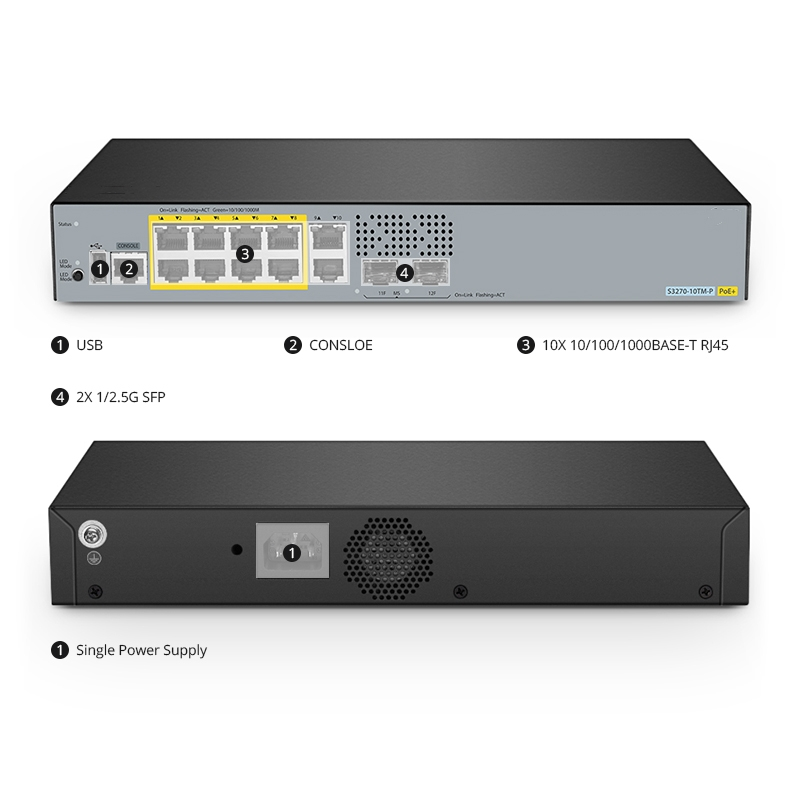
Modern data centers and telecommunications networks face unprecedented demands for bandwidth, reliability, and efficiency. As digital transformation accelerates across industries, network infrastructure must evolve to handle increasing data volumes while maintaining optimal performance. SFP modules have emerged as critical components that enable organizations to achieve these performance goals through their versatile, hot-swappable design and advanced optical transmission capabilities. These small form-factor pluggable transceivers provide the foundation for scalable, high-performance networking solutions that can adapt to changing business requirements without costly infrastructure overhauls.
Understanding SFP Module Technology and Architecture
Core Components and Design Principles
SFP modules integrate sophisticated optical and electrical components within a compact, standardized form factor. The internal architecture includes laser diodes for signal transmission, photodetectors for signal reception, and advanced signal processing circuits that ensure reliable data conversion between optical and electrical domains. Digital diagnostic monitoring capabilities built into modern SFP modules provide real-time visibility into operational parameters such as optical power levels, temperature, and voltage status. This comprehensive monitoring enables proactive network management and helps prevent performance degradation before it impacts critical operations.
The hot-swappable nature of SFP modules represents a fundamental advantage in network design and maintenance. Network administrators can replace or upgrade individual transceivers without shutting down entire systems or disrupting ongoing operations. This capability significantly reduces maintenance windows and minimizes the business impact of hardware changes or failures. The standardized electrical and mechanical interfaces ensure compatibility across different vendor platforms, providing flexibility in component sourcing and reducing vendor lock-in concerns that often complicate network procurement decisions.
Transmission Standards and Protocol Support
Contemporary SFP modules support multiple transmission standards including Ethernet, Fibre Channel, and SONET protocols, making them versatile solutions for diverse networking environments. Gigabit Ethernet SFP modules deliver 1.25 Gbps transmission rates over single-mode or multimode fiber, while enhanced variants support extended transmission distances up to 120 kilometers without requiring optical amplification. Advanced SFP modules incorporate forward error correction algorithms and enhanced signal processing capabilities that improve link reliability and extend operational reach in challenging environmental conditions.
Protocol transparency ensures that SFP modules can handle various data formats and frame types without requiring protocol-specific modifications to network equipment. This flexibility enables organizations to implement unified infrastructure platforms that support multiple services and applications through a single physical layer. The ability to mix different SFP module types within the same network equipment provides granular control over performance characteristics and cost optimization for specific link requirements.
Performance Enhancement Mechanisms in Data Center Environments
Bandwidth Optimization and Scalability
Data center performance improvements through SFP modules stem from their ability to provide dedicated, high-bandwidth connections between critical infrastructure components. Unlike shared media approaches, SFP modules create point-to-point optical links that eliminate contention and provide predictable performance characteristics. This dedicated bandwidth approach becomes particularly valuable in virtualized environments where multiple virtual machines compete for network resources and consistent performance is essential for application reliability.
The modular nature of SFP modules enables incremental capacity expansion as data center requirements evolve. Organizations can deploy lower-cost, shorter-range modules for intra-rack connections while using higher-performance, longer-reach variants for inter-building or campus connectivity. This tiered approach optimizes capital expenditure allocation and ensures that performance capabilities align with specific application requirements rather than implementing uniform, potentially over-engineered solutions across all network segments.
Latency Reduction and Quality of Service
Modern SFP modules incorporate advanced signal processing techniques that minimize transmission latency and jitter, critical factors for time-sensitive applications such as financial trading systems, real-time analytics, and unified communications platforms. Low-latency SFP modules can reduce signal propagation delays to microsecond levels, enabling applications that require near-instantaneous response times. The consistent timing characteristics of optical transmission through SFP modules provide predictable latency profiles that simplify network design and application optimization.
Quality of service capabilities built into SFP modules enable traffic prioritization and bandwidth allocation at the physical layer. Advanced modules support multiple traffic classes and can implement hardware-based traffic shaping to ensure that critical applications receive guaranteed bandwidth allocation. This physical layer quality of service complements higher-level network policies and provides an additional layer of performance assurance for mission-critical data flows.
Telecommunications Network Optimization Through SFP Implementation
Long-Distance Transmission Capabilities
Telecommunications networks benefit significantly from the extended reach capabilities of specialized SFP modules designed for long-distance transmission. Single-mode fiber SFP modules can achieve transmission distances exceeding 80 kilometers without optical amplification, making them ideal for metropolitan area networks and regional connectivity applications. Extended-reach variants incorporate dispersion compensation and enhanced receiver sensitivity to maintain signal quality over even longer distances, reducing the need for intermediate regeneration equipment and simplifying network architecture.
Dense wavelength division multiplexing compatible SFP modules enable telecommunications providers to maximize fiber utilization by transmitting multiple optical channels over single fiber pairs. This capability dramatically increases the capacity of existing fiber infrastructure without requiring additional cable installation, a particularly valuable capability in urban environments where fiber deployment costs are substantial. The ability to add or remove wavelength channels using hot-swappable SFP modules provides operational flexibility and enables service providers to adapt capacity dynamically based on demand patterns.
Network Reliability and Redundancy Features
Telecommunications applications demand exceptional reliability, and SFP modules contribute to network resilience through multiple redundancy mechanisms. Dual-homed configurations using SFP modules enable automatic failover protection, where backup optical paths activate immediately upon detection of primary link failures. The rapid switching capabilities of SFP modules ensure that failover events occur within milliseconds, meeting the stringent availability requirements of carrier-grade telecommunications services.
Environmental monitoring capabilities integrated into telecommunications-grade SFP modules provide early warning of potential failures and enable predictive maintenance strategies. Temperature, optical power, and bias current monitoring allows network operations centers to identify degrading components before they cause service interruptions. This proactive approach to network maintenance reduces unplanned outages and improves overall service quality for telecommunications customers.
Advanced Features and Emerging Technologies
Digital Diagnostics and Network Management
Contemporary SFP modules incorporate sophisticated digital diagnostic capabilities that provide unprecedented visibility into optical link performance and health status. Real-time monitoring of key parameters including transmitted and received optical power levels, laser bias current, module temperature, and supply voltages enables comprehensive network health assessment. These diagnostic capabilities integrate seamlessly with network management systems, providing centralized visibility and automated alerting when parameters exceed acceptable thresholds.
Advanced SFP modules support Simple Network Management Protocol integration, enabling remote configuration and monitoring through standard network management platforms. This capability reduces operational overhead and enables centralized management of distributed network infrastructure. Historical data logging and trend analysis capabilities help network administrators identify gradual performance degradation and plan maintenance activities proactively rather than reactively responding to failures.
Energy Efficiency and Thermal Management
Energy efficiency improvements in modern SFP modules contribute significantly to overall data center and telecommunications facility power consumption reduction. Low-power designs minimize heat generation while maintaining full performance capabilities, reducing cooling requirements and improving facility power usage effectiveness. Advanced power management features enable SFP modules to enter low-power states during periods of reduced activity, further optimizing energy consumption without compromising performance availability.
Thermal management enhancements in SFP modules include improved heat dissipation designs and temperature-compensated laser control circuits that maintain consistent performance across varying environmental conditions. These features extend operational temperature ranges and improve reliability in challenging deployment environments. Enhanced thermal design also enables higher port densities in network equipment, maximizing the utilization of rack space and reducing per-port infrastructure costs.
Implementation Strategies and Best Practices
Network Design Considerations
Successful SFP module implementation requires careful consideration of application requirements, transmission distances, and future scalability needs. Network designers must evaluate the trade-offs between cost, performance, and reach to select optimal SFP modules for specific link requirements. Single-mode fiber SFP modules provide longer reach and higher bandwidth potential but require more precise installation procedures, while multimode variants offer easier installation and lower cost for shorter-distance applications.
Link budget analysis becomes critical when selecting SFP modules for specific applications, particularly in long-distance telecommunications deployments. Factors including fiber attenuation, connector losses, splice losses, and safety margins must be carefully calculated to ensure reliable operation throughout the expected service life. Proper link budget planning prevents performance issues and reduces the need for costly infrastructure modifications after deployment.
Installation and Maintenance Procedures
Proper installation procedures for SFP modules ensure optimal performance and longevity. Fiber optic connectors must be inspected and cleaned before connection to prevent contamination that can degrade optical performance or cause permanent damage to module components. Electrostatic discharge precautions protect sensitive electronic components during handling and installation procedures.
Regular maintenance schedules for SFP modules should include optical connector cleaning, performance monitoring review, and replacement planning based on diagnostic data trends. Preventive maintenance approaches extend module life and maintain consistent network performance. Documentation of module serial numbers, installation dates, and performance history enables effective lifecycle management and helps identify patterns that may indicate systematic issues requiring attention.
FAQ
What factors should be considered when selecting SFP modules for data center applications
When selecting SFP modules for data center applications, consider transmission distance requirements, bandwidth needs, connector types, and environmental conditions. Single-mode fiber modules provide longer reach capabilities for inter-building connections, while multimode variants offer cost-effective solutions for shorter intra-rack or intra-building links. Power consumption, thermal characteristics, and digital diagnostic capabilities should also factor into selection decisions to ensure compatibility with existing infrastructure and management systems.
How do SFP modules improve network reliability compared to fixed optical interfaces
SFP modules improve network reliability through hot-swappable design that enables component replacement without system downtime, reducing the impact of hardware failures on network operations. Digital diagnostic monitoring provides early warning of potential issues, enabling proactive maintenance. The modular approach also allows for redundant configurations and rapid deployment of backup components, significantly reducing mean time to repair compared to fixed optical interfaces that may require complete equipment replacement.
What are the key differences between SFP modules designed for data centers versus telecommunications applications
Telecommunications SFP modules typically emphasize longer transmission distances, enhanced environmental specifications, and carrier-grade reliability features. They often include extended temperature ranges, enhanced digital diagnostics, and specialized wavelength options for dense wavelength division multiplexing applications. Data center SFP modules prioritize high port density, energy efficiency, and cost optimization for shorter-distance applications while maintaining high performance and reliability standards appropriate for enterprise environments.
Can different vendor SFP modules be mixed within the same network infrastructure
SFP modules from different vendors can generally be mixed within the same network infrastructure due to standardized mechanical and electrical interfaces defined by industry specifications. However, compatibility verification is recommended, particularly for advanced features such as digital diagnostics or vendor-specific management capabilities. Some network equipment may have vendor-specific coding requirements, though many manufacturers offer compatible alternatives or provide tools to enable multi-vendor module support.
Table of Contents
- Understanding SFP Module Technology and Architecture
- Performance Enhancement Mechanisms in Data Center Environments
- Telecommunications Network Optimization Through SFP Implementation
- Advanced Features and Emerging Technologies
- Implementation Strategies and Best Practices
-
FAQ
- What factors should be considered when selecting SFP modules for data center applications
- How do SFP modules improve network reliability compared to fixed optical interfaces
- What are the key differences between SFP modules designed for data centers versus telecommunications applications
- Can different vendor SFP modules be mixed within the same network infrastructure