 EN
EN

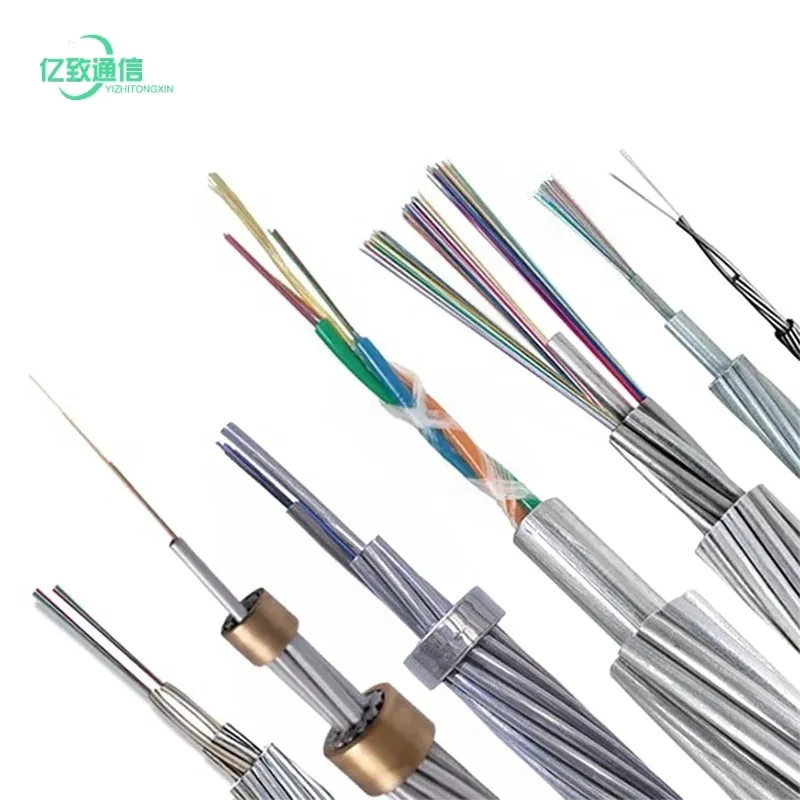
လုပ်ငန်းခွင်အသွားအလာကွန်ရက်အခြေခံအဆောက်အအုံသည် အတိတ်ဆွဲနှစ် (၁၀) နှစ်ကြားကုန်းမှာ အလွန်အမင်း ပြောင်းလဲဖြစ်ပေါ်လာခဲ့ပါသည်။ ဖိုင်ဘာပစ္စည်းများ သည် မြန်ဆန်မှု၊ ယုံကြည်စိတ်ချရမှုနှင့် ပေါ်လွင်သော ပြောင်းလဲနိုင်မှုများကို ပေးစွမ်းနိုင်သည့် အမြင့်ဆုံးစွမ်းဆောင်ရည်ရှိပြီး ချဲ့ထွင်နိုင်သော ကွန်ရက်ဖော်ဆောင်မှုများ၏ အဓိကအခြေခံအုတ်များအဖြစ် ထွက်ပေါ်လာခဲ့ပါသည်။ ခေတ်မှီဖိုင်ဘာပစ္စည်းများသည် ရှေးဟောင်းကြေးနီအခြေပြုစနစ်များနှင့် နှိုင်းယှဉ်ပါက မျှော်လင့်နိုင်သည့် အမြန်နှုန်း၊ ယုံကြည်စိတ်ချရမှုနှင့် ပေါ်လွင်သော ပြောင်းလဲနိုင်မှုများကို အထူးသဖြင့် ပေးစွမ်းနိုင်ပါသည်။ ကွန်ရက်စနစ်တပ်ဆင်မှုလုပ်ငန်းစဉ်များကို ရှုပ်ထွေးမှုနည်းပါးစေရန်၊ တပ်ဆင်မှုအချိန်ကို အနည်းဆုံးဖြစ်စေရန်နှင့် ကွန်ရက်စနစ်၏ စုစုပေါင်းစွမ်းဆောင်ရည်ကို မြင့်တင်ပေးရန် အတွက် အဖွဲ့အစည်းများသည် နောက်ဆုံးပေါ်ဖိုင်ဘာပစ္စည်းများကို အသုံးပြုရန် ပိုမိုမျှော်လင့်လာကြပါသည်။
စွမ်းရည်မြင့်မားသော ဖိုင်ဘာပစ္စည်းများကို လုပုပ်ငန်းများတွင် အသုံးပြုခြင်းသည် လုပုပ်ငန်းများက ကွန်ရက်အဆောက်အအုပ်နှင့် ထောက်ကူပေးမှုများကို မည်သို့ချဉ်းကပ်ရမည်ကဲ့သို့သော အခြေခံအောင်းမော်ပြောင်းလဲမှုတစ်ရပ်ဖြစ်သည်။ နောက်ဆုံးပေါ် ဖိုင်ဘာပစ္စည်းနည်းပညာများကို အသုံးပြုခြင်းဖြင့် အဖွဲ့အစည်းများသည် စွမ်းဆောင်ရည်နှင့် လုံခြုံရေးအဆင့်အတန်းများကို အမြင့်ဆုံးအထိ ထိန်းသိမ်းရင်း အများဆုံးအမြန်နှုန်းဖြင့် ထောက်ကူပေးမှုများကို အကောင်အထည်ဖော်နိုင်သည်။ ယင်းပြောင်းလဲမှုသည် ကွန်ရက်အသုံးမှုရပ်ဆို့ခြင်းနှင့် ထောက်ကူပေးမှုများ နှေးကွေးခြင်းတို့ကြောင့် လုပ်ငန်းဆောင်ရွက်မှု ထိရောက်မှုနှင့် ပြိုင်ဆိုင်မှုအားသာချက်များကို အထိရောက်ဆုံးအထိ ထိခိုက်နိုင်သည့် ယနေ့ခေတ် လုပ်ငန်းပတ်ဝန်းကျင်တွင် အထူးအရေးကြီးပါသည်။
ခေတ်မှီဖိုင်ဘာပစ္စည်းများတွင် အလိုအလျောက် ကောင်ဖာဂျာရှင်ပ်လုပ်ဆောင်ခွင့်များ
အလိုအလျောက် စတင်ခွင့်ပေးမှု လုပ်ဆောင်ခွင့်များ
ခေတ်မီဖိုင်ဘာပစ္စည်းများသည် ကွန်ရက်ထောင်လုပ်မှုအတွင်း လုပ်သမ်းများ၏ လက်နှိပ်ခြင်းလုပ်ဆောင်မှုများကို အလွန်အမင်းလျော့နည်းစေသည့် အဆင့်မြင့် zero-touch provisioning စွမ်းရည်များကို ပါဝင်စေသည်။ ဤအသိဉာဏ်ရှိသည့်စနစ်များသည် ကွန်ရက်အဖွဲ့အစည်းကို အလိုအလျောက်ဖော်ထုတ်နိုင်ပြီး သင့်လျော်သည့် ကိုယ်ပိုင်ဆောင်ပုဒ်များကို အလိုအလျောက်ကောင်ဖော်ပေးကာ လူသားများ၏ အသုံးများသည့် စောင်းကြောင်းများမရှိဘဲ လုံခြုံသည့်ချိတ်ဆက်မှုများကို တည်ထောင်ပေးနိုင်သည်။ ခေတ်မီဖိုင်ဘာပစ္စည်းများတွင် ပါဝင်သည့် အလိုအလျောက်လုပ်ဆောင်မှုစွမ်းရည်များသည် ရှုပ်ထွေးသည့် ကွန်ရက်ထောင်လုပ်မှုများနှင့် ဆောင်ပုဒ်များတွင် ရှိလေ့ရှိသည့် ရှေးရိုးသည့် အခက်အခဲများကို အများအားဖြင့် ဖျောက်ဖျက်ပေးသည်။ ထို့ကြောင့် IT အဖွဲ့များသည် ထို့ကြောင့် ထို့ကြောင့် ပုံမှန်အတိုင်း ပြန်လည်သတ်မှတ်ခြင်းလုပ်ဆောင်မှုများကို အာရုံစိုက်ခြင်းမှ လွဲ၍ ဗျူဟာမြောက်အရေးကြီးသည့် လုပ်ဆောင်မှုများကို အာရုံစိုက်နိုင်သည်။
ယနေ့ခေတ်ခေတ်မှီဖိုင်ဘာပစ္စည်းများတွင် အသုံးပြုထားသော ရှုပ်ထွေးသောဆော့ဖ်ဝဲအယ်လ်ဂေါရီသမ်များသည် ကွန်ရက်လိုအပ်ချက်များကို အချိန်နှင့်တစ်ပါတ်တွင် ခွဲခြမ်းစိတ်ဖဲ့နိုင်ပြီး လုပ်ငန်းအတွက် အကောင်းဆုံးလက်တွေ့ကျသော စံနှုန်းများအရ အကောင်းများဆုံး ကွန်ဖစ်ခ်ရှင်ပါရာမီတာများကို အလိုအလျောက်သတ်မှတ်ပေးနိုင်ပါသည်။ ဤသိမ်မွေ့သော ကွန်ရက်တပ်ဆင်မှုနည်းလမ်းသည် ကွန်ဖစ်ခ်ရှင်အမှားများဖြစ်ပွားနိုင်ခြေကို လျော့နည်းစေပြီး ကွန်ရက်၏ အပိုင်းအစအားလုံးတွင် စံချိန်တူညီသော စွမ်းဆောင်ရည်ကို အာမခံပေးနိုင်ပါသည်။ ခေတ်မှီဖိုင်ဘာပစ္စည်းများကို အသုံးပြုသော အဖွဲ့အစည်းများသည် တပ်ဆင်မှုအချိန်ကို သိသိသာသာ လျော့နည်းစေနိုင်ပြီး ရှုပ်ထွေးသော ကွန်ရက်တပ်ဆင်မှုများကို ရက်များစွာအစား နာရီများအတွင်း ပြီးမြောက်စေနိုင်ပါသည်။
ဗဟိုမှ စီမံခန့်ခွဲမှု ပေါင်းစပ်မှု
ခေတ်မှီဖိုင်ဘာပစ္စည်းများသည် ဗဟိုချုပ်ကိုင်မှုရှိသော ကွန်ရက်စီမံခန့်ခွဲမှုပလက်ဖောင်းများနှင့် အဆက်မပါးစေရန် ပေါင်းစပ်မှုကို အထောက်အပံ့ပေးပါသည်။ ထို့ကြောင့် စီမံခန့်ခွဲသူများသည် အသုံးပြုသည့် အင်တာဖေးတစ်ခုတည်းမှ ကွန်ရက်ပစ္စည်းများအားလုံးကို စောင်းကြည့်ခြင်းနှင့် ထိန်းချုပ်ခြင်းကို လုပ်ဆောင်နိုင်ပါသည်။ ကွန်ရက်စီမံခန့်ခွဲမှုအတွက် ဤပေါင်းစပ်ထားသော ချဉ်းကပ်မှုသည် ချိတ်ဆက်ထားသော ဖိုင်ဘာပစ္စည်းများအားလုံးကို အပြည့်အဝ မြင်သာစေရန် စီမံခန့်ခွဲမှုလုပ်ငန်းစဉ်ကို ရှင်းလင်းစေပါသည်။ ဗဟိုချုပ်ကိုင်မှုစီမံခန့်ခွဲမှုစွမ်းရည်များသည် ကွန်ရက်အခြေခံအဆောက်အအိမ်တစ်ခုလုံးတွင် ညှိနှိုင်းထားသော ကွန်ဖစ်ဂဴရေးရှင်းပြောင်းလဲမှုများကို လုပ်ဆောင်နိုင်စေပါသည်။ ထို့ကြောင့် ကွန်ရက်အစိတ်အပိုင်းများကို ဖြန့်ကျက်စွာ စီမံခန့်ခွဲရာတွင် ဖြစ်ပေါ်လာသော ရှုပ်ထွေးမှုများကို လျော့နည်းစေပါသည်။
ဖိုင်ဘာပစ္စည်းများနှင့် ဗဟိုချုပ်ကိုင်မှုရှိသော စီမံခန့်ခွဲမှုစနစ်များအကြား ပေါင်းစပ်မှုသည် အခြေခံကွန်ဖစ်ဂဴရေးရှင်းများထက် ပိုမိုကြီးမားသော အသုံးဝင်မှုများကို ပေးစေပါသည်။ ထိုအသုံးဝင်မှုများတွင် အဆင့်မြင့် အသုံးချခွဲခြမ်းစိတ်ဖြာမှုများ၊ စွမ်းဆောင်ရည်စောင်းကြည့်မှုများနှင့် ကြိုတင်သိမှုအခြေပြု ပြုပြင်ထိန်းသိမ်းမှုများ ပါဝင်ပါသည်။ ဤလုပ်ဆောင်ချက်များသည် အဖွဲ့အစည်းများအား ကွန်ရက်စွမ်းဆောင်ရည်ကို ထိခိုက်စေမည့် ပြဿနာများကို ကြိုတင်သိရှိနေစေရန် အထောက်အပံ့ပေးပါသည်။ ထို့ကြောင့် ကွန်ရက်လုပ်ဆောင်မှုများကို အဆက်မပါးစေရန် ပိုမိုကောင်းမွန်စေပါသည်။ အားလုံးကို စီမံခန့်ခွဲနိုင်သော စွမ်းရည်သည် ဖိုင်ဘာပစ္စည်းများ ဗဟိုချုပ်ဆောင်းမှ အစိတ်အပိုင်းများကို ရယူခြင်းဖြင့် စီမံခန့်ခွဲမှုဆိုင်ရာ အလုပ်ပမာဏကို သိသိသာသာ လျော့ချပေးပြီး ကွန်ရက်ထိန်းသိမ်းရေး လုပ်ထုံးလုပ်နည်းများကို ရှင်းလင်းစေသည်။
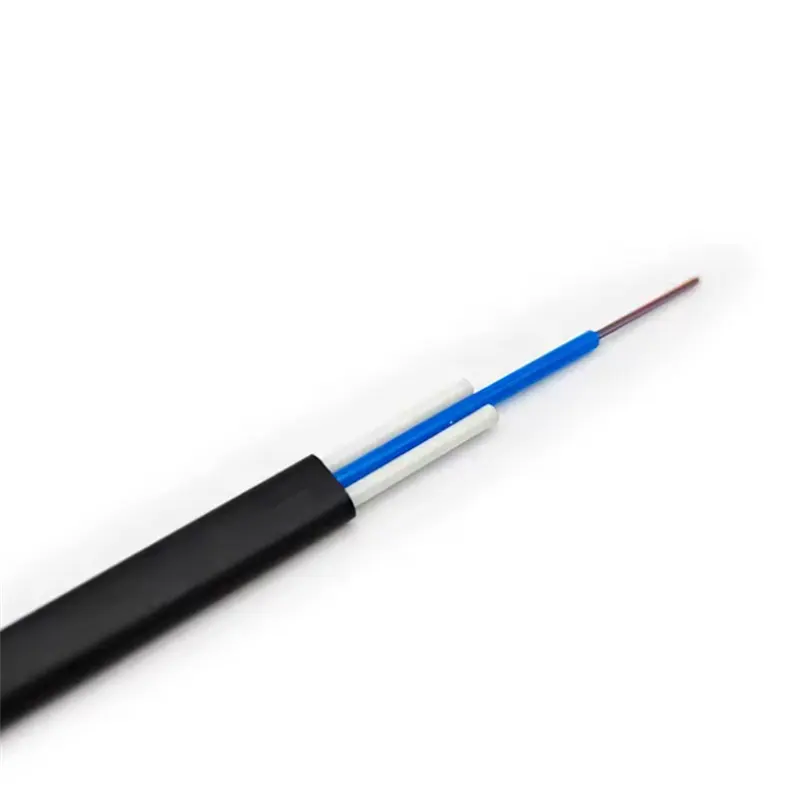
မော်ဂျူလာ ဖိုင်ဘာပစ္စည်းများ၏ ဒီဇိုင်းကြောင့် စွမ်းရည်မြှင့်တင်မှု ပိုမိုကောင်းမွန်လာခြင်း
ပေါ်လ်များ၏ ပြောင်းလဲနိုင်သော ကွန်ဖစ်ခ်ရှင်း ရွေးချယ်စရာများ
ခေတ်မီ ဖိုင်ဘာပစ္စည်းများတွင် ပါဝင်သော မော်ဂျူလာဒီဇိုင်း ဒဿန်သည် အဖွဲ့အစည်းများအား ၎င်းတို့၏ ကုန်းလုပ်ငန်းလိုအပ်ချက်များ ပြောင်းလဲလာမှုအလျောက် ကွန်ရက်များကို အဆင့်ဆင့် တိုးချဲ့နိုင်စေသည်။ အစပိုင်းတွင် အခြေခံအားဖြင့် လုပ်ဆောင်နိုင်မည့် အခြေအနေထက် ပိုမိုများပြားသော အခြေခံအဆောက်အအုံများကို အသုံးပြုခြင်းအစား ကုမ္ပဏီများသည် အခြေခံဖိုင်ဘာပစ္စည်းများဖြင့် စတင်ပြီး လိုအပ်သည့်အတိုင်း စွမ်းရည်ကို တိုးချဲ့နိုင်သည်။ ကွန်ရက်များကို ဤသို့ တိုးချဲ့ခြင်းဖြင့် အစပိုင်းရှုပ်ထွေးမှုများကို လျော့ချပေးပြီး အဖွဲ့အစည်း၏ လိုအပ်ချက်များ ပြောင်းလဲလာမှုများကို အပ်ဒိတ်လုပ်ရန် အခြေခံအဆောက်အအုံများကို ပြောင်းလဲရန် မလိုအပ်ဘဲ လျော့ချပေးသည်။
အဆင့်မြင့်ဖိုင်ဘာပစ္စည်းများသည် ဟော့စွပ်ပ်ခြင်းမှုလုပ်ဆောင်နိုင်သည့် မော်ဂျူးများနှင့် အင်တာဖေးများကို ထောက်ပံ့ပေးပြီး ကွန်ရက်အသုံးပျော်မှုမရှိဘဲ စွမ်းအားတိုးချဲ့နိုင်စေသည်။ ဤစွမ်းရည်သည် ကွန်ရက်အသုံးပျော်မှုသည် လုပ်ငန်းလည်ပါတ်မှုများအတွက် အရေးကြီးသည့် စီးပွားရေးလုပ်ငန်းများတွင် အထူးအသုံးဝင်ပါသည်။ ပုံမှန်လုပ်ဆောင်နေစဉ်အချိန်များတွင် ဖိုင်ဘာပစ္စည်းများကို ထည့်သွင်းခြင်း သို့မဟုတ် ပြောင်းလဲခြင်းကို လုပ်ဆောင်နိုင်ခြင်းသည် စုန်းသည့် ထိန်းသိမ်းမှုအချိန်များကို မလိုအပ်တော့စေပြီး ကွန်ရက်ဝန်ဆောင်မှုအသုံးပျော်မှုကို အဆက်မပြတ်ထောက်ပံ့ပေးနိုင်သည်။
စံချိန်စံညွှန်းများနှင့် ကိုက်ညီမှုဖြင့် အနာဂတ်အတွက် ကြိုတင်ပြင်ဆင်ခြင်း
ခေတ်မီဖိုင်ဘာပစ္စည်းများကို လုပ်ငန်းလောက၏ အသစ်ထွက်လာသော စံနှုန်းများနှင့် ကိုက်ညီစေရန် ဒီဇိုင်းထုတ်ထားပါသည်။ ထို့ကြောင့် နောင်လာမည့် ကွန်ရက်ချိတ်ဆက်မှုနည်းပညာများနှင့် ပရိုတိုကောလ်များနှင့် အဆင်ပြေစေပါသည်။ ထိုသို့သော အနာဂတ်ကို ကြိုတင်စဥ်းစားသည့် ထုတ်ကုန်ဖွံ့ဖြိုးရေးချဉ်းကပ်မှုသည် အဖွဲ့အစည်းများအား ၎င်းတို့၏ အခြေခံအဆောက်အအုံရင်းနှီးမှုများကို ကာကွယ်ပေးပါသည်။ ထို့အပါအဝင် နည်းပညာအသစ်များ စတင်အသုံးပြုနိုင်လာသည့်အခါတွင် အဆိုပါနည်းပညာများကို လက်ခံအသုံးပြုနိုင်ရန် စွမ်းရည်ကိုလည်း ထိန်းသိမ်းပေးပါသည်။ ခေတ်မီဖိုင်ဘာပစ္စည်းများ၏ စံနှုန်းများနှင့် ကိုက်ညီသည့် ဒီဇိုင်းသည် အရေးကြီးသည့် အချက်များဖြစ်သည့် အခြားထုတ်လုပ်သူများ၏ ပစ္စည်းများနှင့် အဆင်ပြေစေရန် အာမခံပေးပါသည်။ ထို့ကြောင့် ထုတ်လုပ်သူတစ်ခုတည်းသို့ မှီခိုမှု (Vendor lock-in) ဖြစ်နိုင်ခြေကို လျော့နည်းစေပါသည်။ ထို့အပါအဝင် ကွန်ရက်ဖွံ့ဖြိုးရေးနောက်ခံများတွင် ပိုမိုကျယ်ပေါင်းသည့် ရွေးချယ်မှုများကို ပေးအပ်ပါသည်။
ဖိုင်ဘာပစ္စည်းများ ထုတ်လုပ်ရာတွင် စံနှုန်းများနှင့် ကိုက်ညီမှုအတွက် သဘောထားမှုသည် နောက်လာမည့်မျှော်လင့်ချက်များရှိသော နက်ဝပ်ဝပ်က်ခ်ပရိုတိုကောလ်များနှင့် ဆော့ဖ်ဝဲဖြင့် သတ်မှတ်ထားသော နက်ဝပ်ဝပ်က်ခ် (SDN) နှင့် နက်ဝပ်ဝပ်က်ခ်လုပ်ဆောင်ချက်များ အတွင်း အတုအပ ဖန်တီးခြင်း (NFV) ကဲ့သို့သော အသစ်ထွက်ပေါ်လာသည့် နည်းပညာများကို ပံ့ပိုးပေးခြင်းအထိ ပါဝင်ပါသည်။ စံနှုန်းများကို အပြည့်အဝ ပံ့ပိုးပေးခြင်း ဤချဉ်းကပ်မှုသည် အဖွဲ့အစည်းများအနေဖြင့် ၎င်းတို့၏ ရှိပ already ဖိုင်ဘာပစ္စည်းများအပေါ် ရင်းနှီးမှုများကို အသုံးချနိုင်စေပါသည်။ ထို့အပေါ်အခြေခံ၍ အခြားသော နက်ဝပ်ဝပ်က်ခ်ပုံစံများသို့ တဖြည်းဖြည်း ပြောင်းလဲသွားနိုင်ပါသည်။ အိုင်တီ အခြေခံအဆောက်အအုံအား လုံးဝ အစားထိုးရန် မလိုအပ်ပါ။
တပ်ဆင်မှုနှင့် အသုံးပြုမှု လုပ်ငန်းစဉ်များကို ရှင်းလင်းစေခြင်း
ပလပ်အင်ပလေး အသုံးပြုနိုင်သည့် ပေါင်းစပ်မှု စွမ်းရည်များ
ခေတ်မီဖိုင်ဘာပစ္စည်းများသည် အစပိုင်းတွင် ထောက်ခံရန်နှင့် အဆက်မပြတ် ထိန်းသိမ်းရန်အတွက် လိုအပ်သည့် နည်းပညာဆိုင်ရာ ကျွမ်းကျင်မှုကို အနည်းဆုံးသို့ လျှော့ချပေးသည့် ရှုပ်ထွေးသည့် plug-and-play လုပ်ဆောင်ချက်များကို ပါဝင်စေသည်။ ဤအသုံးပျော်မှုရှိသည့် လုပ်ဆောင်ချက်များသည် အဖွဲ့အစည်းများအား အထူးပြုနည်းပညာပုဂ္ဂိုလ်များပေါ် အလွန်အမင်း မှီခိုမှုမရှိဘဲ ရှုပ်ထွေးသည့် ကွန်ရက်အခြေခံအဆောက်အအိမ်များကို ထောက်ခံရန် အခွင့်အလမ်းပေးပါသည်။ ထို့ကြောင့် စီမံကုန်းများ၏ အချိန်ကာလများကို မြန်ဆန်စေပြီး ထောက်ခံမှုစုစုပေါင်းစရိတ်များကို လျှော့ချပေးပါသည်။ ခေတ်မီဖိုင်ဘာပစ္စည်းများ၏ အသုံးပျော်မှုရှိသည့် ဒီဇိုင်းသည် ကွန်ရက်အုပ်ချုပ်ရေးမှူးများအား အသေးစိတ်လေ့ကျင်မှု သို့မဟုတ် အထောက်အပံ့လိုင်စင်လိုအပ်ချက်များ မရှိဘဲ အများအားဖြင့် အမြန်နှုန်းဖြင့် ကွန်ရက်စွမ်းဆောင်ရည်ဆိုင်ရာ ကိုယ်ပိုင်ညှိနှိုင်းမှုများကို ပြုလုပ်နေပါသည်။
အဆင့်မြင့်ဖိုင်ဘာပစ္စည်းများဖြင့် အောင်မြင်စွာ တပ်ဆင်နေသည့် လွယ်ကူချောမွေ့သော လုပ်ငန်းစဉ်တွင် ကြိုတင်သတ်မှတ်ထားသော ကြိုးစီမံခန့်ခွဲမှုလုပ်ဆောင်ချက်များ၊ ကိုယ်တိုင်သတ်မှတ်ချက်ပေးနိုင်သော အင်တာဖေးများနှင့် အသိဉာဏ်ရှိသော အသုံးပြုမှုအမြန်နှုန်း အကောင်အကျင်းပြုလုပ်မှု အယူဝါဒများ ပါဝင်ပါသည်။ ဤလုပ်ဆောင်ချက်များသည် စွမ်းဆောင်ရည်နှင့် ယုံကြည်စိတ်ချရမှုကို မထိခိုက်စေဘဲ ရှင်းလင်းမှုကို အဓိကထားသော စနစ်တပ်ဆင်မှုအတွေ့အကြုံကို ဖန်တီးပေးပါသည်။ ခေတ်မီဖိုင်ဘာပစ္စည်းများကို အသုံးပြုသည့် အဖွဲ့အစည်းများသည် စနစ်တပ်ဆင်မှုအချိန်နှင့် ကွန်ရက်စီမံခန့်ခွဲမှုဆိုင်ရာ လုပ်ငန်းများ၏ ရှုပ်ထွေးမှုများကို သိသိသာသာ လျော့နည်းစေကြောင်း အစီရင်ခံထားပါသည်။
ရှုပ်ထွေးမှုနည်းသော ရုပ်ပိုင်းဆိုင်ရာ အခြေခံအဆောက်အအုံလိုအပ်ချက်များ
ခေတ်မီ ဖိုင်ဘာပစ္စည်းကိရိယာများ၏ ကျစ်လစ်သော ပုံစံအဆင်နှင့် ထိရောက်သော ဒီဇိုင်းသည် ကွန်ရက် အခြေခံအဆောက်အအုံ ဖြန့်ဖြူးရေးအတွက် ရုပ်ပိုင်းဆိုင်ရာ နေရာ လိုအပ်ချက်များကို သိသိသာသာ လျော့ကျစေသည်။ ဤကဲ့သို့သော နေရာအကျိုးသက်ရောက်မှုသည် အိမ်ခြံမြေစရိတ်များ မြင့်မားပြီး ကွန်ရက်ဆိုင်ရာ ပစ္စည်းကိရိယာများအတွက် နေရာအကန့်အသတ်ရှိသည့် စီးပွားရေးပတ်ဝန်းကျင်တွင် အထူးအကျိုးရှိသည်။ အဆင့်မြင့် fiber equipment များဖြင့် ရရှိနိုင်သော ပိုမိုမြင့်မားသော port density သည် အဖွဲ့အစည်းများအား အစဉ်အလာ ကွန်ရက် ဖြေရှင်းနည်းများနှင့် နှိုင်းယှဉ်ပါက ပိုမိုသေးငယ်သော ရုပ်ပိုင်းဆိုင်ရာ footprint အတွင်း ကွန်ရက် ချိတ်ဆက်မှုများကို ပံ့ပိုးပေးနိုင်သည်။
ခေတ်မှီဖိုင်ဘာပစ္စည်းများတွင် ထည့်သွင်းထားသော စွမ်းအင်ထိရောက်မှု မြင့်တင်မှုများသည် အအေးခံခြင်းနှင့် ပါဝါအခြေခံအဆောက်အအုံလိုအပ်ချက်များကို လျှော့ချခြင်းဖြင့် ကွန်ရက်တပ်ဆင်မှုကို ပိုမိုလွယ်ကူစေပါသည်။ ဤထိရောက်မှုများသည် လုပ်ငန်းလည်ပုန်းစုစုပေါင်းစရိတ်များကို လျှော့ချပေးပြီး ဖိုင်ဘာပစ္စည်းများကို ကြီးမားစွာတပ်ဆင်သည့် အဖွဲ့အစည်းများအတွက် စက်ရုံအဆောက်အအုံအစီအမုန်းများကို ပိုမိုရှင်းလင်းစေပါသည်။ ခေတ်မှီဖိုင်ဘာပစ္စည်းများနှင့် ဆောင်ပုဒ်သော အခြေခံအဆောက်အအုံအထုပ်အနည်းငယ်သည် အဖွဲ့အစည်းများအား ၎င်းတို့၏ နည်းပညာဆိုင်ရာ လုပ်ဆောင်ချက်များတွင် အရင်းအမြစ်များကို ပိုမိုထိရောက်စွာ ခွဲဝေသုံးစွဲနိုင်ရန် အထောက်အကူပေးပါသည်။
စွမ်းရည်မြင့် စွမ်းဆောင်ရည် စောင်းကြည့်ခြင်းနှင့် အကောင်းဆုံးဖော်ထုတ်ခြင်း
အချိန်နှင့်တစ်ပါကုန် ကွန်ရက် အသုံးချမှုဆိုင်ရာ ဆန်းစစ်ခြင်း
ခေတ်မှီဖိုင်ဘာပစ္စည်းများတွင် ကွန်ရက်အကောင်အထည်ဖော်မှု၊ လုပ်ဆောင်မှုပုံစံများနှင့် ဖော်ထုတ်နိုင်သည့် အကောင်အထည်ဖော်ရန် အခွင့်အလမ်းများအကြောင်း အချိန်နှင့်တစ်ပါတည်း သိရှိနိုင်သည့် အဆင့်မြင့် အသုံးချခြင်းဆိုင်ရာ စွမ်းရည်များ ပါဝင်ပါသည်။ ဤအဆင့်မြင့် စောင်းကြည့်မှုစွမ်းရည်များသည် အသုံးပြုသူများ၏ အတွေ့အကြုံကို ထိခိုက်စေမည့် အလုပ်လုပ်မှုပြဿနာများကို အများအားဖြင့် အများဆုံးအမြန်နှုန်းဖြင့် ရှာဖွေ၍ ဖြေရှင်းပေးနိုင်စေပါသည်။ ခေတ်မှီဖိုင်ဘာပစ္စည်းများမှ ပေးအပ်သည့် စုံလင်သည့် အသုံးချခြင်းဆိုင်ရာ အချက်အလက်များသည် ကွန်ရက်အကောင်အထည်ဖော်မှုနှင့် စွမ်းရည်အစီအစဥ်ချမှု လုပ်ငန်းများအတွက် အချက်အလက်အခြေပြု ဆုံးဖြတ်ချက်များချမှုကို အထောက်အကူပုံစေပါသည်။
စက်မှုသင်ယူမှုအယ်လ်ဂေါရီသမ်များကို ဖိုင်ဘာပစ္စည်းများ၏ အချက်အလက်ဆန်းစစ်မှုစနစ်များသို့ ပေါင်းစပ်ခြင်းဖြင့် အနာဂတ်တွင်ဖြစ်ပေါ်လာမည့် စွမ်းဆောင်ရည်အား ကြိုတင်ခန့်မှန်း၍ အကောင်မောင်းခြင်းနှင့် ပြဿနာဖြေရှင်းမှုကို အလိုအလျောက်လုပ်ဆောင်နိုင်စေပါသည်။ ဤအထူးပြုထားသောစနစ်များသည် သမိုင်းဝင်စွမ်းဆောင်ရည်အချက်အလက်များကို ဆန်းစစ်၍ ပုံစံများကို ရှာဖွေပြီး ကွန်ရက်၏ စွမ်းဆောင်ရည်အား အကောင်မောင်းထားရန် ကွန်ရက်၏ အချက်အလက်များကို ကြိုတင်၍ ညှိနှိုင်းပေးနိုင်ပါသည်။ ခေတ်မှီဖိုင်ဘာပစ္စည်းများ၏ အဆင့်မြင့်အချက်အလက်ဆန်းစစ်မှုစွမ်းရည်များသည် ကုမ္ပဏီများအား ၎င်းတို့၏ ကွန်ရက်အခြေခံအဆောက်အအုံ၏ စွမ်းဆောင်ရည်နှင့် အသုံးပြုမှုအချက်အလက်များကို အထူးသဖြင့် မြင်သာလွ easily အောင် ပေးစေပါသည်။
ဝန်ဆောင်မှုအရည်အသွေးစီမံခန့်ခွဲမှု
ခေတ်မှီဖိုင်ဘာပစ္စည်းများသည် အဖွဲ့အစည်းများအနေဖြင့် အရေးကြီးသောအက်ပလီကေးရှင်းများကို ဦးစားပေးခြင်းနှင့် လုပ်ငန်းအရေးကြီးသော ကွန်ရက်လှုပ်ရှားမှုများအတွက် စံချိန်တူညီသော စွမ်းဆောင်ရည်ကို အာမခံပေးနိုင်ရန် အရည်အသွေးစီမံခန့်ခွဲမှု (QoS) စွမ်းရည်များကို ပေါင်းစပ်ထည့်သွင်းထားပါသည်။ ဤခေတ်မှီ QoS လုပ်ဆောင်ချက်များသည် ပိုမိုတိက်မိုက်သော ပုံစံဖြင့် ပုံသေလှုပ်ရှားမှုအရင်းအမြစ်များ ခွဲဝေခြင်း၊ နောက်ကောင်းခြင်း (latency) စီမံခန့်ခွဲမှုနှင့် လှုပ်ရှားမှုပုံစောင်ခြင်း (traffic shaping) စွမ်းရည်များကို ထိန်းချုပ်ပေးပါသည်။ ခေတ်မှီဖိုင်ဘာပစ္စည်းများ၏ အဆင့်မြင့်လှုပ်ရှားမှုစီမံခန့်ခွဲမှုစွမ်းရည်များသည် ကွန်ရက်အသုံးပြုမှုအဆင့်အတန်း မည်သည့်အခြေအနေတွင်ပါဖြစ်စေ မှုခင်းအရေးကြီးသော အက်ပလီကေးရှင်းများအား သင့်လျော်သော ကွန်ရက်အရင်းအမြစ်များ ရရှိစေရန် အာမခံပေးပါသည်။
အဆင့်မြင့်ဖိုင်ဘာပစ္စည်းများပေါ်တွင် တည်ဆောက်ထားသော အလိုအလျောက် QoS စီမံခန့်ခွဲမှုလုပ်ဆောင်ချက်များသည် အချိန်နှင့်တစ်ပါတည်း အသုံးပြုမှုလိုအပ်ချက်များနှင့် ကွန်ရက်အခြေအနေများအပေါ် မှီခို၍ ကွန်ရက်စံသတ်မှတ်ချက်များကို အလိုအလျောက်ညှိပေးနိုင်ပါသည်။ ဤအသိဉာဏ်ရှိသော အသုံးပြုမှုစီမံခန့်ခွဲမှုနည်းလမ်းသည် ကွန်ရက်အသုံးပြုမှုအားလုံးအတွက် အကောင်းဆုံးအကောင်ဆောင်ခြင်းကို အာမခံပေးပြီး အဆိုပါ အခြေခံအဆောက်အအိုအား အပြည့်အဝအကောင်အားဖော်နိုင်ရန် အထောက်အကူပုံစံဖော်ပေးပါသည်။ ခေတ်မှီဖိုင်ဘာပစ္စည်းများ၏ စုံလင်သော QoS စွမ်းရည်များသည် အဖွဲ့အစည်းများအား တစ်ခုတည်းသော ကွန်ရက်အခြေခံအဆောက်အအိုပေါ်တွင် စွမ်းဆောင်ရည်လိုအပ်ချက်များ ကွဲပြားသော အသုံးပြုမှုများစုံကို ပံ့ပိုးပေးနိုင်ရန် အထောက်အကူပုံစံဖော်ပေးပါသည်။
မှုန်းမှုန်းနှင့် ဟိုက်ဘရစ်အခြေခံအဆောက်အအိုများနှင့် ပေါင်းစပ်ခြင်း
မှုန်းမှုန်းအခြေပြု စီမံခန့်ခွဲမှုပလက်ဖောင်းများ
ဖိုင်ဘာပစ္စည်းကိရိယာနည်းပညာ၏ အဆင့်မြင့်တက်လာမှုတွင် မှုန်းမှုန်းမှုမရှိသော မှုန်းမှုန်းမှုမရှိသော မှုန်းမှုန်းမှုမရှိသော မှုန်းမှုန်းမှုမရှိသော မှုန်းမှုန်းမှုမရှိသော မှုန်းမှုန်းမှုမရှိသော မှုန်းမှုန်းမှုမရှိသော မှုန်းမှုန်းမှုမရှိသော မှုန်းမှုန်းမှုမရှိသော မှုန်းမှုန်းမှုမရှိသော မှုန်းမှုန်းမှုမရှိသော မှုန်းမှုန်းမှုမရှိသော မှုန်းမှုန်းမှုမရှိသော မှုန်းမှုန်းမှုမရှိသော မှုန်းမှုန်းမှုမရှ......
ခေတ်မှီဖိုင်ဘာပစ္စည်းများတွင် မှုန်းသော စောင်းကြည့်ခြင်းအပေါ် အခြေခံသော စွမ်းရည်များကို ကျော်လွန်၍ အလိုအလျောက်ဖိုင်မ်ဝဲအပ်ဒိတ်များ၊ လုံခြုံရေးပေါင်းစုမှုများ စီမံခန့်ခွဲခြင်းနှင့် ကွန်ဖစ်ခ်ရှင်း ပုံစံများကို အပ်လော့ဒ်လုပ်ခြင်းစွမ်းရည်များအထိ ကွန်ရက်တွင် မှုန်းသော စွမ်းရည်များ ပါဝင်ပါသည်။ ဤကွန်ရက်တွင် မှုန်းသော စွမ်းရည်များသည် IT အဖွဲ့များအတွက် စီမံခန့်ခွဲမှုအလုပ်များကို လျော့နည်းစေပါသည်။ ထို့အပေါ် အခြေခံ၍ ဖိုင်ဘာပစ္စည်းများကို လုံခြုံစေပါသည်။ အသစ်ဆုံးစွမ်းရည်များဖြင့် အမြဲတမ်း အပ်ဒိတ်လုပ်ထားနိုင်ပါသည်။ ဒေသခံဖိုင်ဘာပစ္စည်းများ၏ စွမ်းဆောင်ရည်များနှင့် ကွန်ရက်တွင် မှုန်းသော စီမံခန့်ခွဲမှုများကို ပေါင်းစပ်ခြင်းဖြင့် ကွန်ရက်အခြေခံအဆောက်အအိမ်များကို စီမံခန့်ခွဲရာတွင် အင်အားကြီးသော ဟိုက်ဘရစ်ချဉ်းကပ်မှုတစ်မျှ ဖန်တီးပေးပါသည်။
ဟိုက်ဘရစ်ကွန်ရက် အဆောက်အအိမ်အား ပံ့ပိုးမှု
ခေတ်မှီဖိုင်ဘာပစ္စည်းများကို အိမ်တွင်းသုံးအခြေခံအဆောက်အအုံများနှင့် မှုန်းမှုန်းထောက်ပံ့ရေးဝန်ဆောင်မှုများနှင့် အရင်းအမြစ်များကို ပေါင်းစပ်ထားသော ရှုပ်ထွေးသော ဟိုက်ဘရစ်ကွန်ရက်အဆောက်အအုံများကို အထောက်အပံ့ပေးရန် ဒီဇိုင်းထုတ်ထားပါသည်။ ကွန်ရက်ဒီဇိုင်းတွင် အသုံးပြုသည့် ဤဟိုက်ဘရစ်ချဉ်းကပ်မှုသည် အဖွဲ့အစည်းများအနက် သူတို့၏ နည်းပညာအခြေခံအဆောက်အအုံတစ်ခုလုံးပေါ်တွင် စွမ်းဆောင်ရည်၊ စုစုပေါင်းစုစုပေါင်းနှင့် လုံခြုံရေးအချက်များကို အကောင်မြင်စေရန် အထောက်အပံ့ပေးပါသည်။ ခေတ်မှီဖိုင်ဘာပစ္စည်းများ၏ ရှုပ်ထွေးသော လမ်းကြောင်းသတ်မှတ်မှုနှင့် အသုံးပြုမှုစီမံခန့်ခွဲမှုစွမ်းရည်များသည် အိမ်တွင်းသုံးနှင့် မှုန်းမှုန်းထောက်ပံ့ရေးဝန်ဆောင်မှုများအကြား ချောမွေ့သော ချိတ်ဆက်မှုကို အာမခံပေးပါသည်။ ထို့အပြင် လုံခြုံရေးနှင့် စွမ်းဆောင်ရည်စံနှုန်းများကို ထိန်းသိမ်းပေးပါသည်။
အဆင့်မြင့်ဖိုင်ဘာပစ္စည်းများတွင် ဟိုက်ဘရစ်မှုအခြေခံပုံစံများကို အထောက်အပံ့ပေးခြင်းတွင် ရှုပ်ထွေးသော VPN လုပ်ဆောင်ခွင့်များ၊ လုံခြုံရေးအားဖြင့် ကာကွယ်ထားသော တန်နယ်များ စီမံခန့်ခွဲမှုနှင့် ကွန်ရက်အခြေအနေများ ပြောင်းလဲလာသည့်အတွက် အလိုလျောက် ပြောင်းလဲနိုင်သော မှုန်းသော လမ်းကြောင်းသတ်မှတ်မှု ပရိုတိုကောလ်များ ပါဝင်ပါသည်။ ဤလုပ်ဆောင်ခွင့်များသည် အဖွဲ့အစည်းများအား ဖြ расс့ံ့နှံ့နေသော အခြေခံအဆောက်အအိမ်များအကြား ခိုင်မာပြီး စွမ်းဆောင်ရည်မြင့်မားသော ချိတ်ဆက်မှုများကို ဖန်တီးရန် အထောက်အပံ့ပေးပါသည်။ ထို့အပါအဝင် လုံခြုံရေးနှင့် စံနှုန်းများနှင့် ကိုက်ညီမှုတွင် မှုန်းသော အာမခံချက်များကိုလည်း ထိန်းသိမ်းပေးပါသည်။ ခေတ်မှုန်းသော ဖိုင်ဘာပစ္စည်းများမှ ပေးသော ဟိုက်ဘရစ်မှုအခြေခံပုံစံအား အထောက်အပံ့ပေးမှုသည် အဖွဲ့အစည်းများအား အိမ်တွင်းတွင် တပ်ဆင်ထားသော အခြေခံအဆောက်အအိမ်များနှင့် မှုန်းသော မှုန်းသော အခြေခံအဆောက်အအိမ်များ နှစ်များစုံလုံးကို ပေါင်းစပ်ထားသော စီမံခန့်ခွဲမှု ကွန်ရက်ဒီဇိုင်းတွင် အကျေးခဲ့သော အကျေးခဲ့သော အကျေးခဲ့သော အကျေးခဲ့သော အကျေးခဲ့သော အကျေးခဲ့သော အကျေးခဲ့သော အကျေးခဲ့သော အကျေးခဲ့သော အကျေးခဲ့သော အကျေးခဲ့သော အကျေးခဲ့သော အကျေးခဲ့သော အကျေးခဲ့သော အကျေးခဲ့သော အကျေးခဲ့သော အကျေးခဲ့သော အကျေးခဲ့သော အကျေးခဲ့သော အကျေးခဲ့သော အကျေးခဲ့သော အကျေးခဲ့သော အကျေးခဲ့သော အကျေးခဲ့သော အကျေးခဲ့သော အကျေးခဲ့သော အကျေးခဲ့သော အကျ......
မေးလေ့ရှိသောမေးခွန်းများ
လုပ်ငန်းလုပ်ကိုင်မှုအတွက် ကွန်ရက်စနစ်ကို ထည့်သွင်းခြင်းတွင် ခေတ်မှုန်းသော ဖိုင်ဘာပစ္စည်းများကို အသုံးပြုခြင်း၏ အဓိက အကျေးခဲ့သော အကျေးခဲ့သော အကျေးခဲ့သော အကျေးခဲ့သော အကျေးခဲ့သော အကျေးခဲ့သော အကျေးခဲ့သော အကျေးခဲ့သော အကျေးခဲ့သော အကျေးခဲ့သော အကျေးခဲ့သော အကျေးခဲ့သော အကျေးခဲ့သော အကျေးခဲ့သော အကျေးခဲ့သော အကျေးခဲ့သော အကျေးခဲ့သော အကျေးခဲ့သော အကျေးခဲ့သော အကျေးခဲ့သော အကျေးခဲ့သော အကျေးခဲ့သော အကျေးခဲ့သော အကျေးခဲ့သော အကျေးခဲ့သော အကျေးခဲ့သော အကျေးခဲ့သော အကျ......
ခေတ်မှီဖိုင်ဘာပစ္စည်းများသည် ရှေးနည်းလမ်းအားဖြင့် ကြေးနီအခြေပြုသော နက်ဝပ်ဝပ်က်ခ်ဖ်ဖြေရှင်းနည်းများနှင့် နှိုင်းယှဉ်ပါက ပိုမိုမြင့်မားသော ပိုက်လိုင်းအကျယ် (bandwidth) စွမ်းရည်၊ ပိုမိုနိမ့်ပါးသော နောက်ကောက်ခံမှုကြောင့်ဖြစ်သော နောက်ကောက်ခံမှုကြောင့်ဖြစ်သော နောက်ကောက်ခံမှုကြောင့်ဖြစ်သော နောက်ကောက်ခံမှုကြောင့်ဖြစ်သော နောက်ကောက်ခံမှုကြောင့်ဖြစ်သော နောက်ကောက်ခံမှုကြောင့်ဖြစ်သော နောက်ကောက်ခံမှုကြောင့်ဖြစ်သော နောက်ကောက်ခံမှုကြောင့်ဖြစ်သော နောက်ကောက်ခံမှုကြောင့်ဖြစ်သော နောက်ကောက်ခံမှုကြောင့်ဖြစ်သော နောက်ကောက်ခံမှုကြောင့်ဖြစ်သော နောက်က...... နှင့် ပိုမိုကောင်းမွန်သော ယုံကြည်စိတ်ချရမှုရှိပါသည်။ ဖိုင်ဘာပစ္စည်းများသည် စိတ်ခေါ်မှုများမရှိဘဲ အလွန်ရှည်လျားသော အကွာအဝေးများတွင် မှုန်းမှုမရှိဘဲ မိုင်ခေါင်းဂစ်ဘစ် (multi-gigabit) အမြန်နှုန်းများကို ပံ့ပိုးပေးနိုင်ပါသည်။ ထို့အပါအဝင် လျှပ်စစ်သံလိုက် အဟောင်းအသစ်များမှ ကာကွယ်မှုကိုလည်း ပေးစေပါသည်။ ထို့အပါအဝါ ခေတ်မှီဖိုင်ဘာပစ္စည်းများတွင် ကွန်ရက်ခွဲခြားမှုနှင့် တပ်ဆင်မှုလုပ်ငန်းစဉ်များကို ရှင်းလင်းစေရန် အဆင့်မြင့် အလိုအလျောက်လုပ်ဆောင်မှုများ ပါဝင်ပါသည်။ ထို့ကြောင့် ကွန်ရက်တပ်ဆင်မှုအတွက် လိုအပ်သော အချိန်နှင့် ကျွမ်းကျင်မှုများကို လျော့နည်းစေပါသည်။
ခေတ်မှီဖိုင်ဘာပစ္စည်းများ၏ မော်ဒျူလာအများအပါအဝါသည် ကွန်ရက်တပ်ဆင်မှုကို ရှင်းလင်းစေရန် မည်သို့ပါဝင်ပါသနည်း။
ခေတ်မှီဖိုင်ဘာပစ္စည်းများတွင် အသုံးပြုသည့် မော်ဂျူလာဒီဇိုင်းနည်းလမ်းသည် အဖွဲ့အစည်းများအား အခြေခံကွန်ဖစ်ခ်ရှင်များဖြင့် စတင်ကာ လုပ်ငန်းလိုအပ်ချက်များ ပြောင်းလဲလာသည်နှင့်အမျှ စွမ်းဆောင်ရည်ကို အဆင့်ဆင့်တိုးချဲ့နိုင်စေပါသည်။ ဤလုံးဝရောင်းရောင်းသည့် လွယ်ကူမှုသည် အစပိုင်းတွင် အလွန်အမင်း ထောက်ပံ့မှုပေးရန် လိုအပ်မှုကို ဖျက်သိမ်းပေးပါသည်။ ထို့အပ alongside ကွန်ရက်အော်ပရေတ်မှု ရပ်ဆို့မှုမရှိဘဲ စွမ်းဆောင်ရည်ကို ထည့်သွင်းနိုင်သည့် စွမ်းရည်ကိုလည်း ပေးအပ်ပါသည်။ ဟော့-စွပ်အပ် (hot-swappable) မော်ဂျူလာများနှင့် အင်တာဖေစ်များသည် ပုံမှန်လုပ်ဆောင်မှုအချိန်များတွင် အကောင်းဆုံး တိုးချဲ့မှုကို ဖော်ဆောင်ပေးပါသည်။ ထို့ကြောင့် စီမံကုန်းကို အလွန်အမင်း ရှုပ်ထွေးမှုများကို သိသိသာသာ လျော့နည်းစေပါသည်။ ထို့အပှင့် အမြဲတမ်း ထိန်းသိမ်းရေးလိုအပ်ချက်များကိုလည်း လျော့နည်းစေပါသည်။
ခေတ်မှီဖိုင်ဘာပစ္စည်းများဖြင့် စီးပွားရေးလုပ်ငန်းများ၏ ကွန်ရက်စီမံကုန်းကို ရှင်းလင်းစေရန် အလိုအလျောက်လုပ်ဆောင်မှုသည် မည်သည့်အခန်းကဏ္ဍမှ ပါဝင်ပါသနည်း။
ခေတ်မီဖိုက်ဘာပစ္စည်းကိရိယာများရှိ အလိုအလျောက်လုပ်ဆောင်နိုင်စွမ်းများတွင် zero-touch provisioning၊ အလိုအလျောက်ကွန်ရက်ရှာဖွေတွေ့ရှိမှုနှင့် လက်စွဲစနစ်တပ်ဆင်မှုလိုအပ်ချက်များကို သိသိသာသာလျှော့ချပေးသည့် ဉာဏ်ရည်ထက်မြက်သော configuration management တို့ပါဝင်သည်။ ဤအလိုအလျောက်လုပ်ဆောင်ချက်များသည် ကွန်ရက် topology ကို ခွဲခြမ်းစိတ်ဖြာနိုင်ပြီး အကောင်းဆုံး configuration parameters များကို အသုံးချနိုင်ပြီး အနည်းဆုံးလူသားဝင်ရောက်စွက်ဖက်မှုဖြင့် လုံခြုံသောချိတ်ဆက်မှုများကို တည်ဆောက်နိုင်သည်။ အလိုအလျောက်လုပ်ဆောင်ခြင်းသည် firmware update များ၊ လုံခြုံရေး patch ဖြန့်ကျက်မှုနှင့် စွမ်းဆောင်ရည်အကောင်းဆုံးဖြစ်အောင်လုပ်ဆောင်ခြင်းကဲ့သို့သော လက်ရှိစီမံခန့်ခွဲမှုလုပ်ငန်းများအထိ တိုးချဲ့ထားပြီး ကွန်ရက်သက်တမ်းတစ်လျှောက် ချောမွေ့သောအတွေ့အကြုံကို ဖန်တီးပေးသည်။
ဖိုင်ဘာပစ္စည်းများတွင် ကွန်ရက်စီမံခန့်ခွဲမှုနှင့် စီမံကုန်းမှုထိရောက်မှုကို မြင့်တင်ပေးရာတွင် မှုန်းမှုန်း (cloud) ပေါင်းစပ်မှုစွမ်းရည်များသည် မည်သို့အထောက်အကူပုံဖြစ်ပါသနည်း။
ခေတ်မှီဖိုင်ဘာပစ္စည်းများတွင် မိုက်ခရိုကလော့ဒ် အသုံးပြုခြင်းဖြင့် မှုန်းမှုန်းထောက်ပံ့ရေး ကွန်ရက်အခြေခံအဆောက်အအိမ်များကို မိုက်ခရိုကလော့ဒ်အခြေပြုပလက်ဖောင်းများမှတစ်ဆင့် ဗဟိုချုပ်ကိုင်မှုဖြင့် စီမံခန့်ခွဲနိုင်ပါသည်။ ထိုမိုက်ခရိုကလော့ဒ်အခြေပြု စီမံခန့်ခွဲမှုဖြေရှင်းနည်းများသည် မြင့်မားသော မြင်သာမှု၊ ထိန်းချုပ်မှုနှင့် အချက်အလက် ဆန်းစစ်ခြင်းစွမ်းရည်များကို ပေးစေပါသည်။ ဤမိုက်ခရိုကလော့ဒ်မှုန်းမှုန်းထောက်ပံ့ရေး စီမံခန့်ခွဲမှုဖြေရှင်းနည်းများသည် ဖိုင်မ်ဝဲအပ်ဒိတ်များကို အလိုအလျောက်လုပ်ဆောင်ခြင်း၊ ကွန်ဖစ်ဂူရေးရှင်းများကို အပ်လုဒ်ထားခြင်းနှင့် လုံခြုံရေးစီမံခန့်ခွဲမှုများကို ပံ့ပိုးပေးပါသည်။ ထို့အပ alongside အဝေးမှ စောင်းကြည့်ခြင်းနှင့် ပြဿနာဖြေရှင်းခြင်းများကိုလည်း အောင်မြင်စွာ လုပ်ဆောင်နိုင်ပါသည်။ ဒေသတွင်းရှိ ဖိုင်ဘာပစ္စည်းများ၏ စွမ်းဆောင်ရည်နှင့် မိုက်ခရိုကလော့ဒ်အခြေပြု စီမံခန့်ခွဲမှုတို့ကို ပေါင်းစပ်ခြင်းဖြင့် အုပ်ချုပ်ရေးဆိုင်ရာ အလုပ်ပမာဏကို လျှော့ချပေးပါသည်။ ထို့အပှင့် ကွန်ရက်၏ အကောင်းဆုံးစွမ်းဆောင်ရည်နှင့် လုံခြုံရေးကို အာမခံပေးပါသည်။
အကြောင်းအရာများ
- ခေတ်မှီဖိုင်ဘာပစ္စည်းများတွင် အလိုအလျောက် ကောင်ဖာဂျာရှင်ပ်လုပ်ဆောင်ခွင့်များ
- မော်ဂျူလာ ဖိုင်ဘာပစ္စည်းများ၏ ဒီဇိုင်းကြောင့် စွမ်းရည်မြှင့်တင်မှု ပိုမိုကောင်းမွန်လာခြင်း
- တပ်ဆင်မှုနှင့် အသုံးပြုမှု လုပ်ငန်းစဉ်များကို ရှင်းလင်းစေခြင်း
- စွမ်းရည်မြင့် စွမ်းဆောင်ရည် စောင်းကြည့်ခြင်းနှင့် အကောင်းဆုံးဖော်ထုတ်ခြင်း
- မှုန်းမှုန်းနှင့် ဟိုက်ဘရစ်အခြေခံအဆောက်အအိုများနှင့် ပေါင်းစပ်ခြင်း
-
မေးလေ့ရှိသောမေးခွန်းများ
- လုပ်ငန်းလုပ်ကိုင်မှုအတွက် ကွန်ရက်စနစ်ကို ထည့်သွင်းခြင်းတွင် ခေတ်မှုန်းသော ဖိုင်ဘာပစ္စည်းများကို အသုံးပြုခြင်း၏ အဓိက အကျေးခဲ့သော အကျေးခဲ့သော အကျေးခဲ့သော အကျေးခဲ့သော အကျေးခဲ့သော အကျေးခဲ့သော အကျေးခဲ့သော အကျေးခဲ့သော အကျေးခဲ့သော အကျေးခဲ့သော အကျေးခဲ့သော အကျေးခဲ့သော အကျေးခဲ့သော အကျေးခဲ့သော အကျေးခဲ့သော အကျေးခဲ့သော အကျေးခဲ့သော အကျေးခဲ့သော အကျေးခဲ့သော အကျေးခဲ့သော အကျေးခဲ့သော အကျေးခဲ့သော အကျေးခဲ့သော အကျေးခဲ့သော အကျေးခဲ့သော အကျေးခဲ့သော အကျေးခဲ့သော အကျ......
- ခေတ်မှီဖိုင်ဘာပစ္စည်းများ၏ မော်ဒျူလာအများအပါအဝါသည် ကွန်ရက်တပ်ဆင်မှုကို ရှင်းလင်းစေရန် မည်သို့ပါဝင်ပါသနည်း။
- ခေတ်မှီဖိုင်ဘာပစ္စည်းများဖြင့် စီးပွားရေးလုပ်ငန်းများ၏ ကွန်ရက်စီမံကုန်းကို ရှင်းလင်းစေရန် အလိုအလျောက်လုပ်ဆောင်မှုသည် မည်သည့်အခန်းကဏ္ဍမှ ပါဝင်ပါသနည်း။
- ဖိုင်ဘာပစ္စည်းများတွင် ကွန်ရက်စီမံခန့်ခွဲမှုနှင့် စီမံကုန်းမှုထိရောက်မှုကို မြင့်တင်ပေးရာတွင် မှုန်းမှုန်း (cloud) ပေါင်းစပ်မှုစွမ်းရည်များသည် မည်သို့အထောက်အကူပုံဖြစ်ပါသနည်း။